
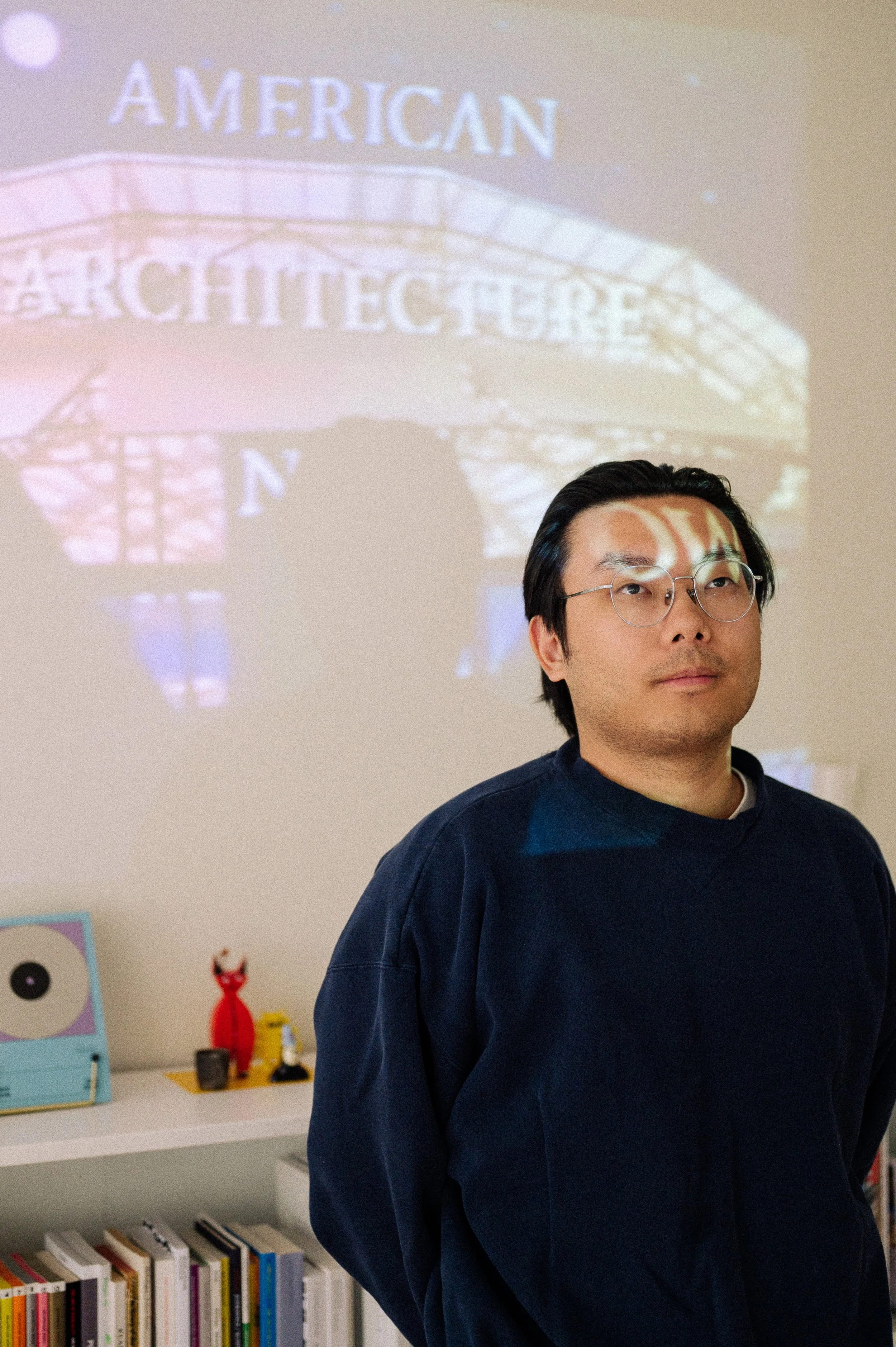
Will Fu
As part of NOW-ID’s ongoing interview series, Ne Plus Ultra, which spotlights artists and designers creating inspiring and impactful work, we are delighted to feature Vancouver-based designer and artist Will Fu.
Deeply curious and interdisciplinary in his approach, Will is interested in how rituals, media technologies, and spaces can carry, transform, and tell both old and new stories. His work explores how architecture and design can shape cultural memory, foster connection, and open new ways of understanding the world around us.
Will holds a Master of Architecture from Princeton University and a Bachelor of Architectural Studies from the University of Waterloo. He is a designer at Shape Architecture in Vancouver, has his own personal multidisciplinary practice, and we are fortunate to count him as a valued NOW-ID collaborator and board member.
Tell us a little about your background. Where did you grow up, and what first sparked your interest in design, architecture, and the visual arts? Was there a particular moment, person, or experience that set you on this path?
I was born in Kunming, China (a popular domestic vacation spot and my mother’s hometown) and grew up in Shenzhen with my grandparents before immigrating to Canada with my mom when I was 6-7. Growing up in a new place, I found music to be the primary medium through which I encountered “Western culture.” It became a channel for understanding this new place and making friends. My stepdad introduced me to the blues early on, thinking BB King or Muddy Waters, and pretty quickly I picked up a guitar. Looking back, listening to and playing music was a key ritual that unlocked an asynchronous fascination with the past. With tunes in the background, these jamming sessions, where I would riff off and solo over various artists, became a kind of dialogue that I think would later inform my love of precedents and the history and theory of architecture, media, and art. Whenever I do a project, I like to see it as a conversation with a loose cast of characters from the past that I've gathered. This way, the work aspires to build on and ultimately celebrate the collective intelligence and labor of both the past and present. (In this way, I find it kind of cringe and suspicious when work positions itself through the adoptive description from Silicon Valley startup culture as “innovative,” “disruptive,” “transformative,” or “revolutionary,” etc.) Also, for as long as I remember, I’ve been doodling too. My grandma would sometimes reminisce that I used to doodle these tiny, tiny masked superheroes that would dance around the page in conflict with one another. Small enough that only I could see them, and how now I draw things much bigger…Maybe too big?
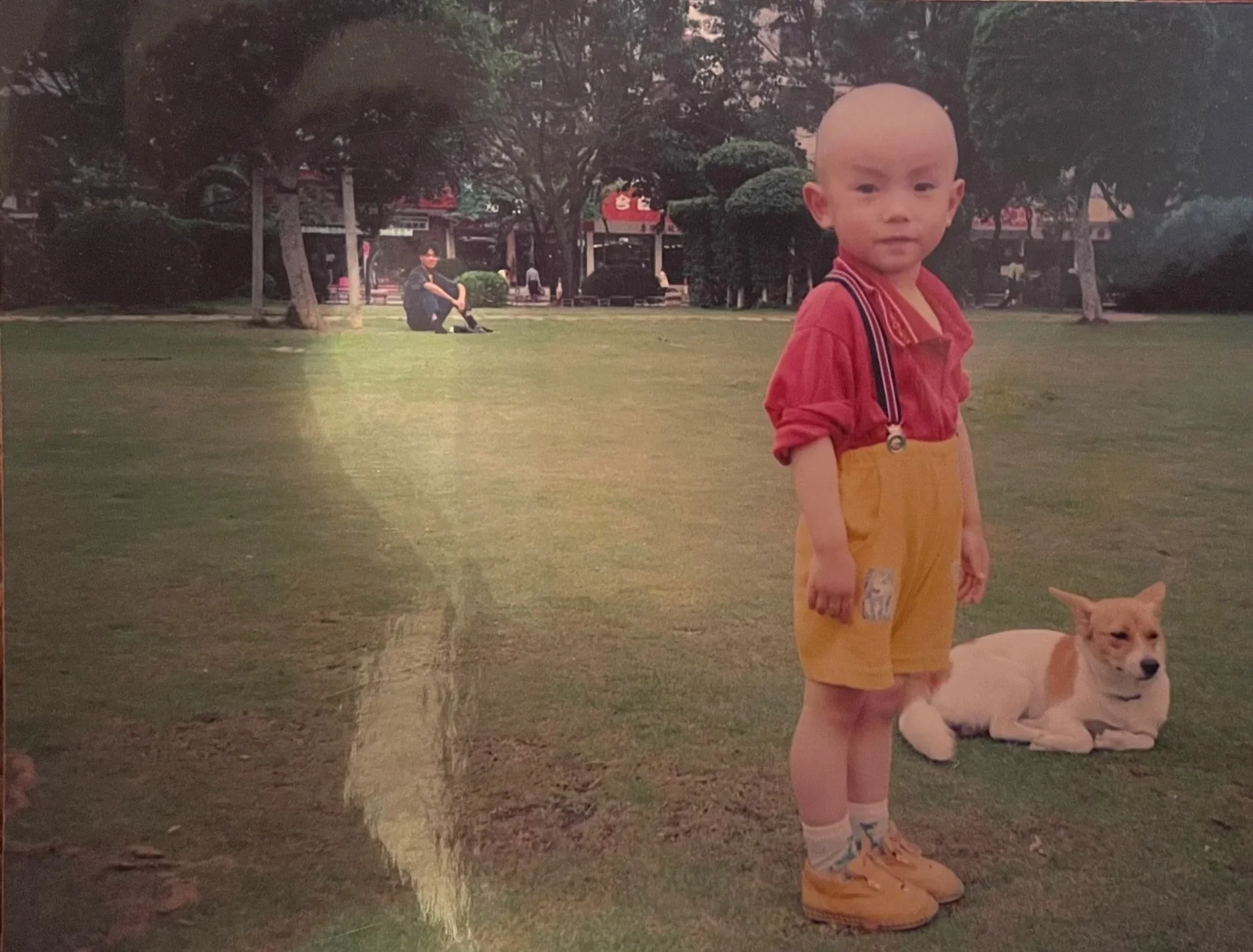
Will, in Shenzhen, China
You studied architecture at the University of Waterloo before going on to complete a master's degree at Princeton University. What drew you to Princeton, and how did that experience shape the way you think about architecture, design, and creative practice?
At Waterloo, I did a lot of self-directed reading of theory and explored the motivations of architects outside the curriculum. At Princeton, a historical hub known for its theory seminars, I gravitated toward this pedagogical model. Notable faculty like Stan Allen, Liz Diller, Beatriz Colomina, and Hal Foster were a definite draw for me, as was the generous scholarship I secured, which was probably the biggest factor. With my experiences in graduate school, many of the key themes of the work and research there persist today. I explored my interests in residential architecture and new media through writing and projects, developed some great friendships, and was exposed to the perspectives and work of people thinking deeply about the discipline and pedagogy of architecture.
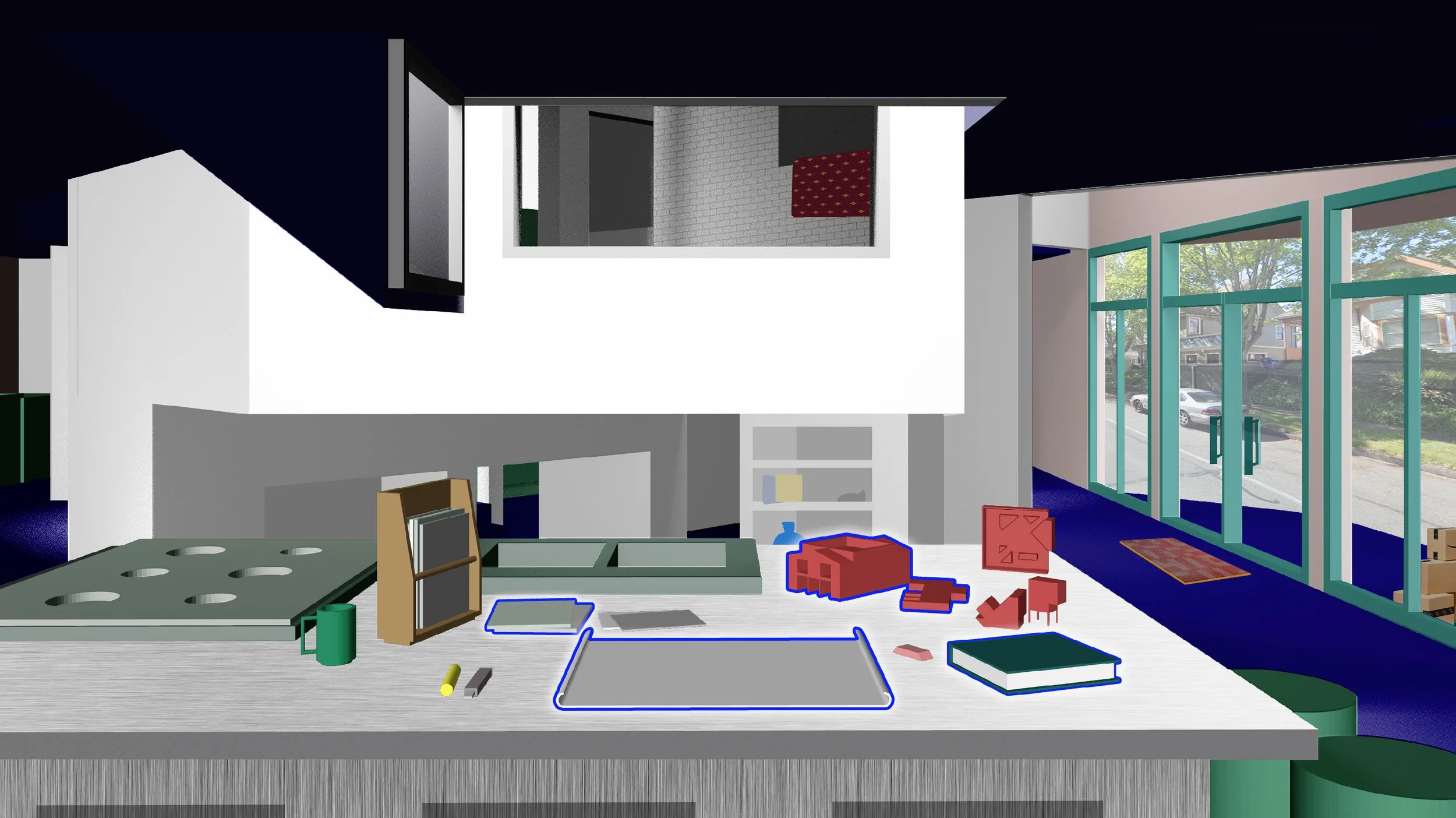
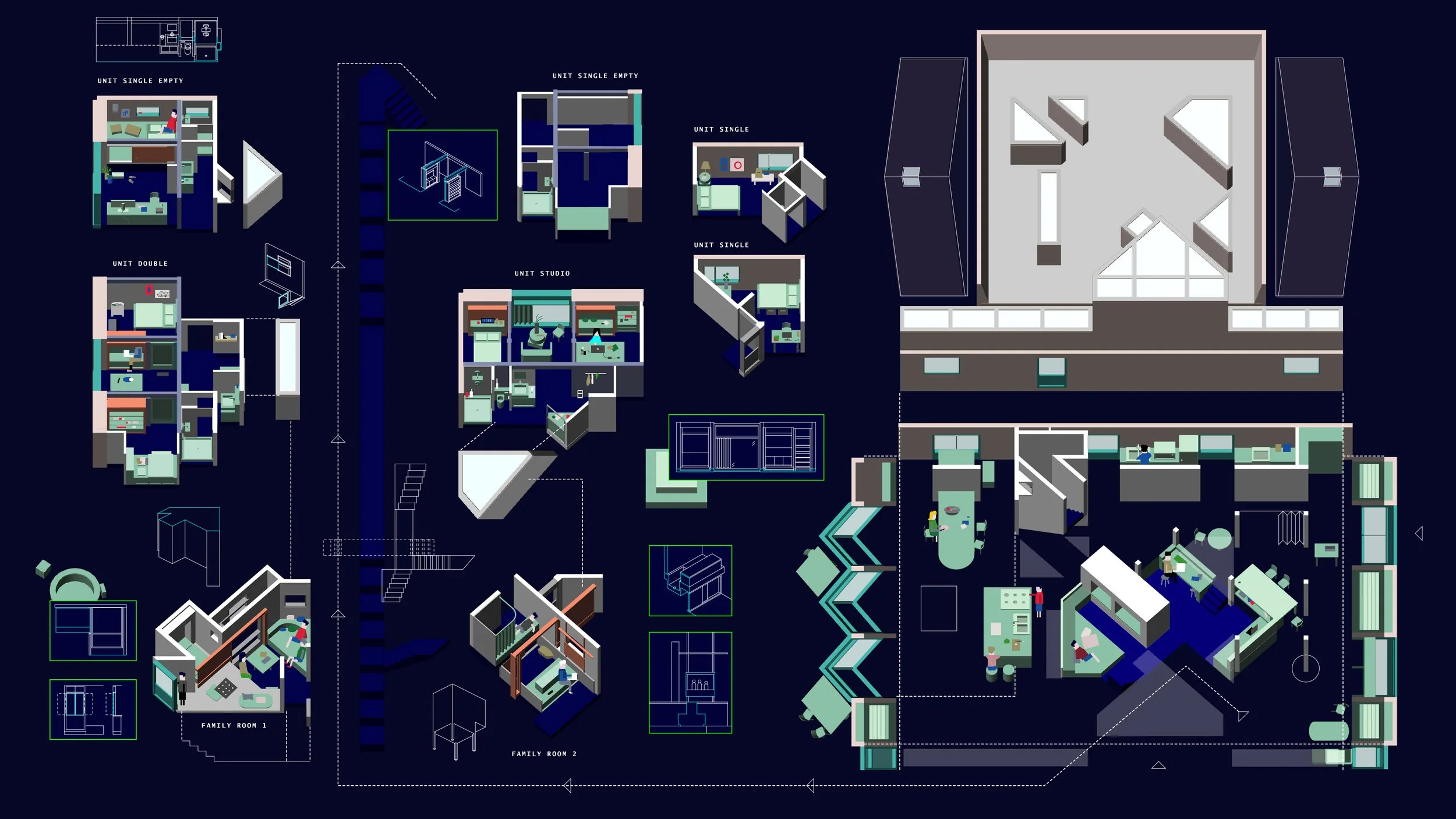
Thesis work at Princeton University.
Looking back on your career, how has your path evolved over the years? What prompted your decision to return to Vancouver after spending time in the United States, and how has that move influenced your work? What is it about Vancouver's creative community that you value, and where do you see opportunities for the city to grow from a design and cultural perspective?
My return to Vancouver was Plan B. After graduating, I applied to MIT’s SMArchs Design Program, where I was a finalist but wasn’t accepted. So I thought I’d take a break from academia and pursue my architectural license in Vancouver after a long stint away, to be with family. The first couple of years in Vancouver were quite alienating, both intellectually and socially. But over time, my interests have evolved, informed by the architectural licensing process, what it means to practice architecture in Canada, and the city’s social and political realities. Through shows and various community events, the city definitely has a pulse bubbling beneath the stretchy surface of lululemon polyester and watered-down matcha. I feel quite optimistic and encouraged to (as they say) find my own people in the city to collaborate with and learn from.
Your practice spans architecture, art, design, filmmaking, publishing, illustration, and photography. How do these different disciplines inform one another? Do you see them as separate pursuits, or are they all part of the same creative language?
A key question I always find myself asking is: What does it mean to live with technology? (With the emphasis on the living part of the question.) This was a foundational question for Real Life Mag, a now-discontinued media theory + technology website that collected essays and opinions around it. These two themes—the home and media culture—situate and ground my research and projects, particularly how these forces are spatialized and, in turn, prompt and alter our daily rituals. I see buildings, drawings, animations, images, and writing as storytelling tools that I will pick up in whatever way and combination to best communicate and express these ideas to a particular audience I have in mind. I think, in this way, I’m not too precious about it all, although I do have some favorite tools that I tend to go back to…
So that’s how I would answer that in grad school, but I’d like to add that now I really want to build. Build on my own merits and terms.
What continues to excite you about working across design and the arts? At the same time, what challenges or limitations have you encountered, either within the profession or in the broader creative landscape?
I feel like it's easier than ever to get into design. There are so many amazing resources and materials out there. Architectural lectures were a primary way I became exposed to different practices and ideas. The lecture format not only impels presenters to contextualize their work and deliver it in a clear narrative structure, but the delivery and content also give audiences an indication of the personality and attitude of the presenter; a perspective you don’t get as much in text. I’ve definitely listened to and watched my fair share of lectures. (Especially those posted by institutions like the AA (Architectural Association) and SCI-Arc with their vast archives…)
It also feels both liberating and confusing to do architecture today. On the other hand, as the definition of architecture expands, I wonder if it is getting harder and harder to talk to one another? In turn, I’m much more interested in practices that have moved away from the starchitecture model and focus more on community building and social and environmental issues while also delivering well-proportioned, formally legible, and materially quirky spatial structures. There are also promising signs of self-reflection, as we reckon with systems of racial, gender, and class discrimination. If we want to be “relevant” again and regain the public’s trust and support, I strongly believe architects need to take care of each other and be honest about our role and our limitations.
Looking back, what have been some of the defining moments or milestones in your career? Are there any projects that stand out as particularly meaningful or transformative?
I fondly remember my time in LA. Toward the tail end of my undergraduate studies, I secured an internship and later full-time employment with an office called Johnston Marklee. It’s a practice that does small-scale residential work, art exhibitions, and institutional work. The emphasis on art, the respect for history, and the fact that both founding partners, Mark and Sharon, taught and practiced really shaped my design process and attitude. The office has a vast collection of art and architecture books that I would continually borrow for morning and evening reading.
The city itself was also quite an inspiration. A vast, thick carpet peppered with iconic private residences by notable architects, and the legacy of art movements like Light and Space (Robert Irwin), Pop art (Ed Ruscha, John Baldessari, Richard Artschwager), the LACMA art and technology exhibition, and the work of photographer Lewis Baltz definitely live rent-free in my mind.
Are there any art projects or personal works that remain especially close to you? What made those experiences memorable, and what did you take away from them?
My thesis project “Insight House” at Princeton comes to mind. The thesis proposes a cohousing project in which rooms shaped by the duration of stay are organized around a redefined family room whose internal skylights and window apertures modulate both artificial and natural light. This spatial arrangement seeks to promote a mixed-media form of collective discourse in the domestic heart of the suburban home. The project was presented as an online open-house video game, in which visitors would explore the home digitally, collecting maps, drawings, and animations that further augment the house’s purpose and identity.
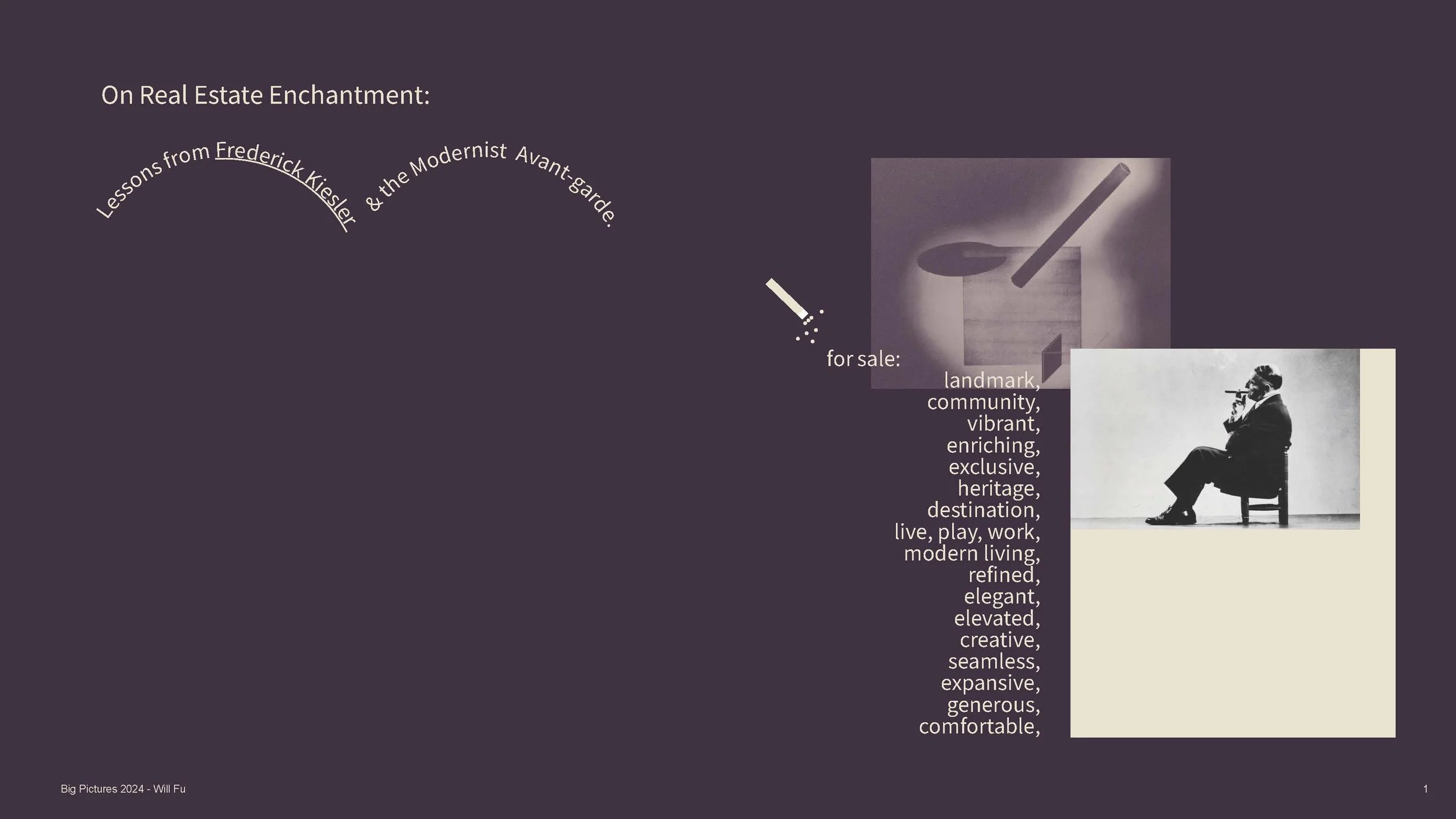
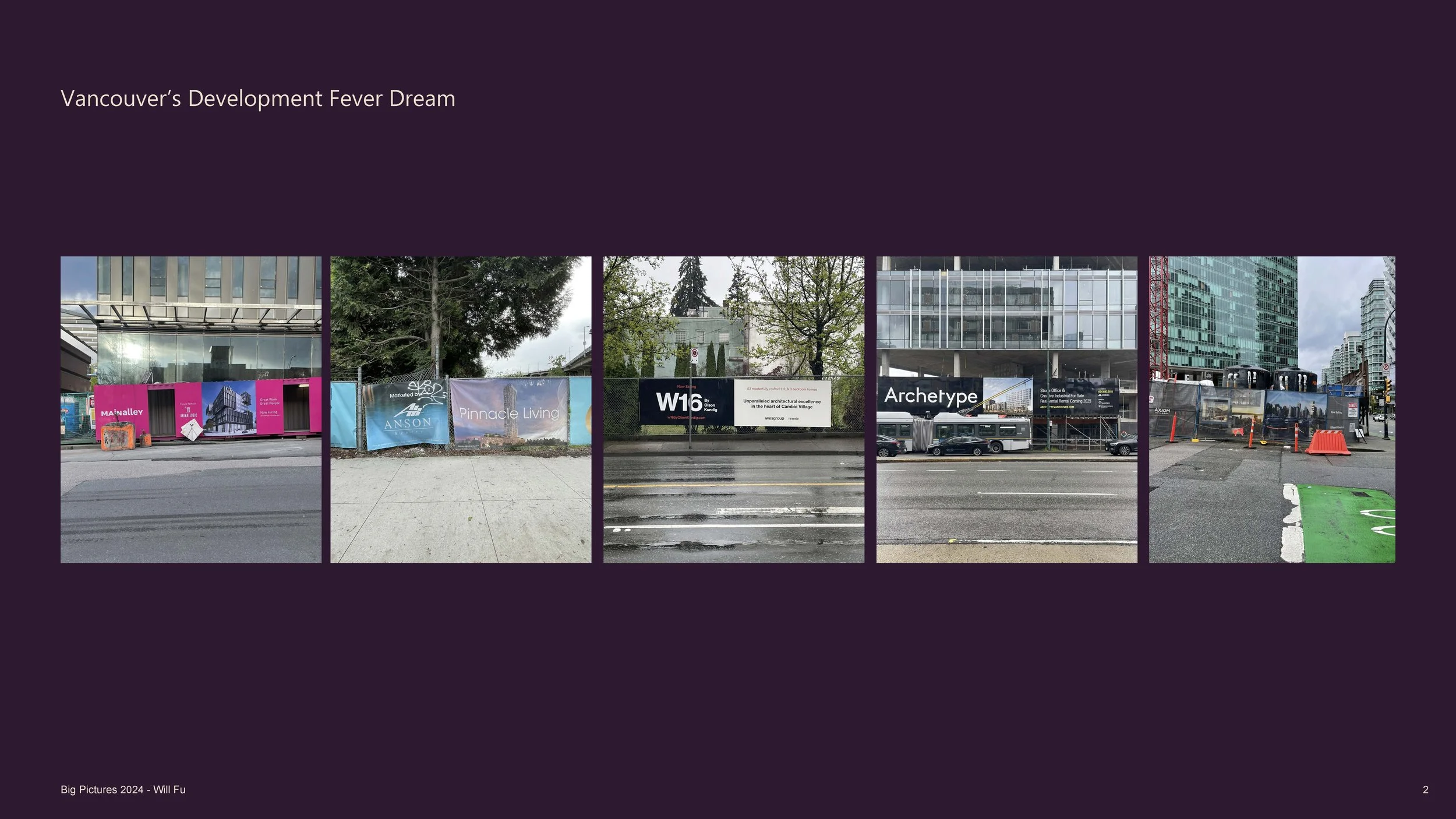
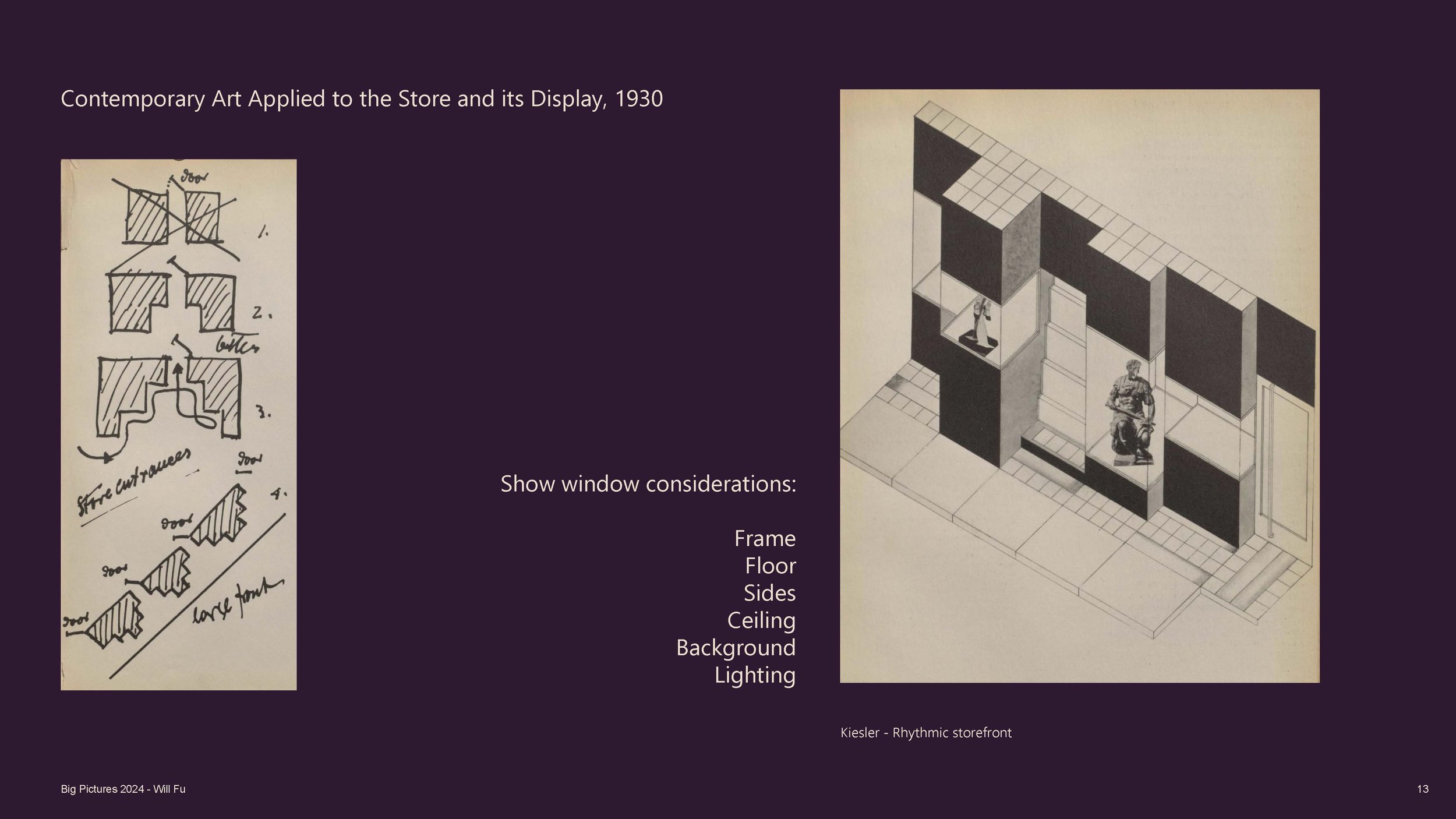
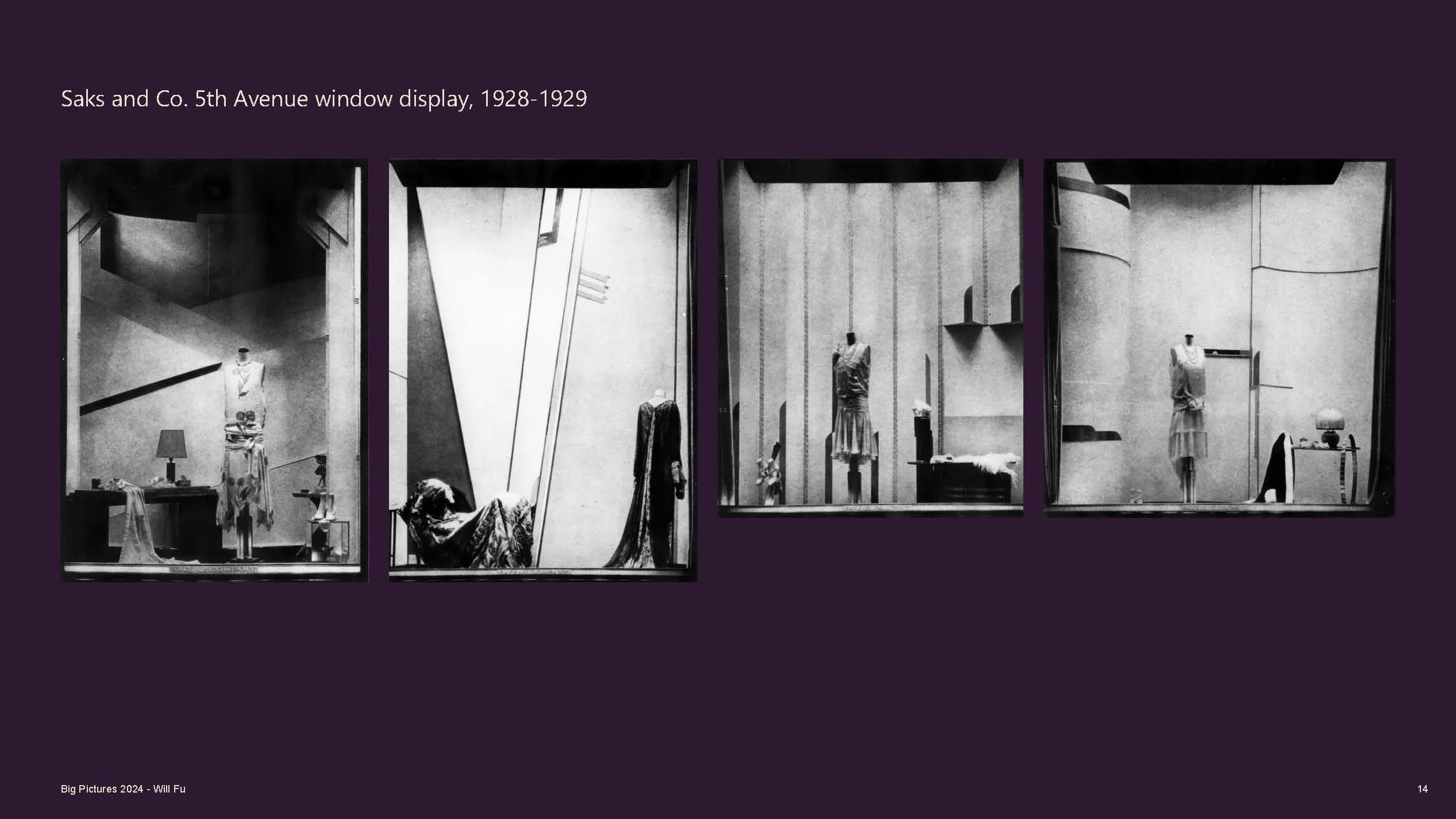
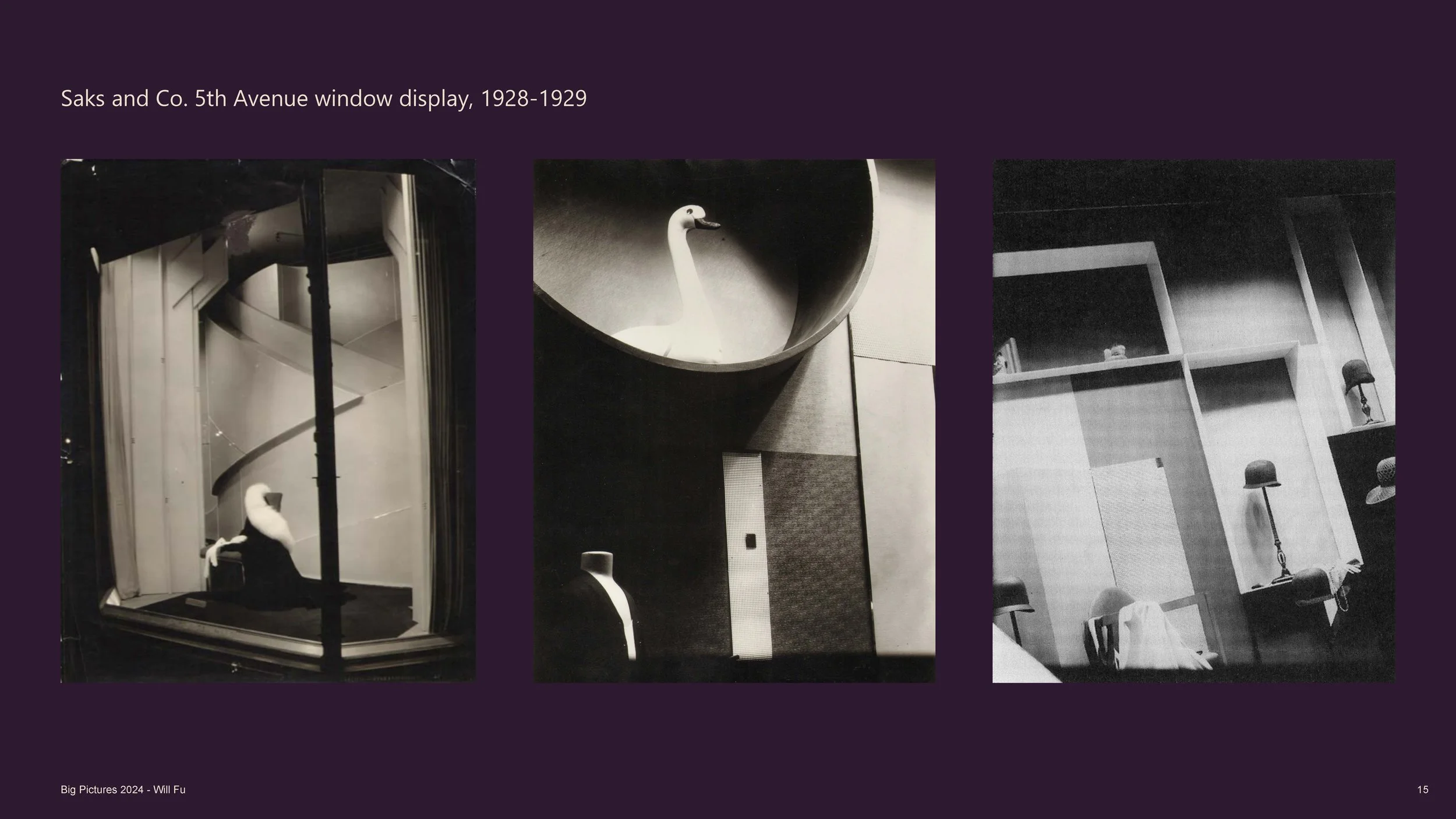
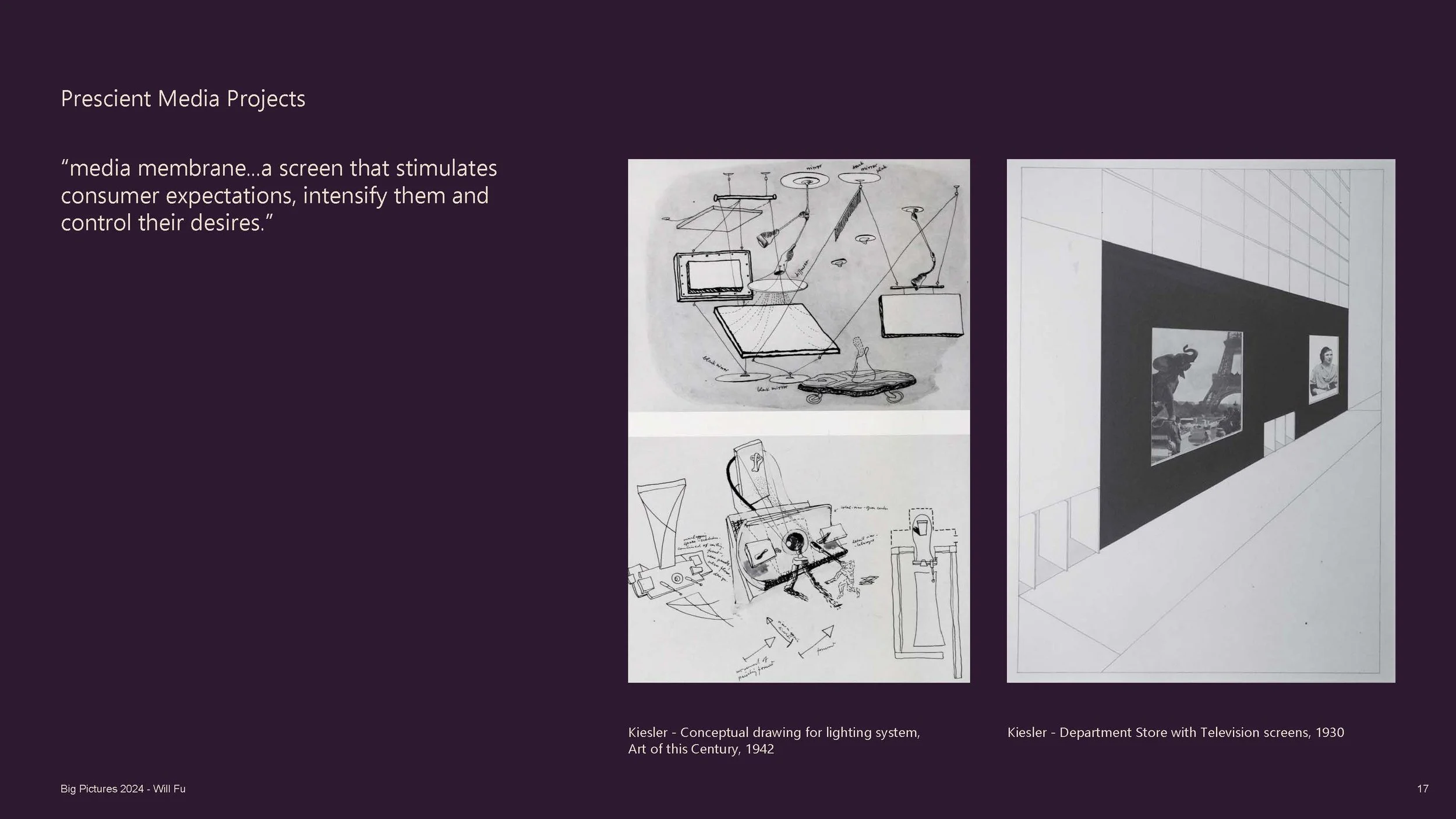
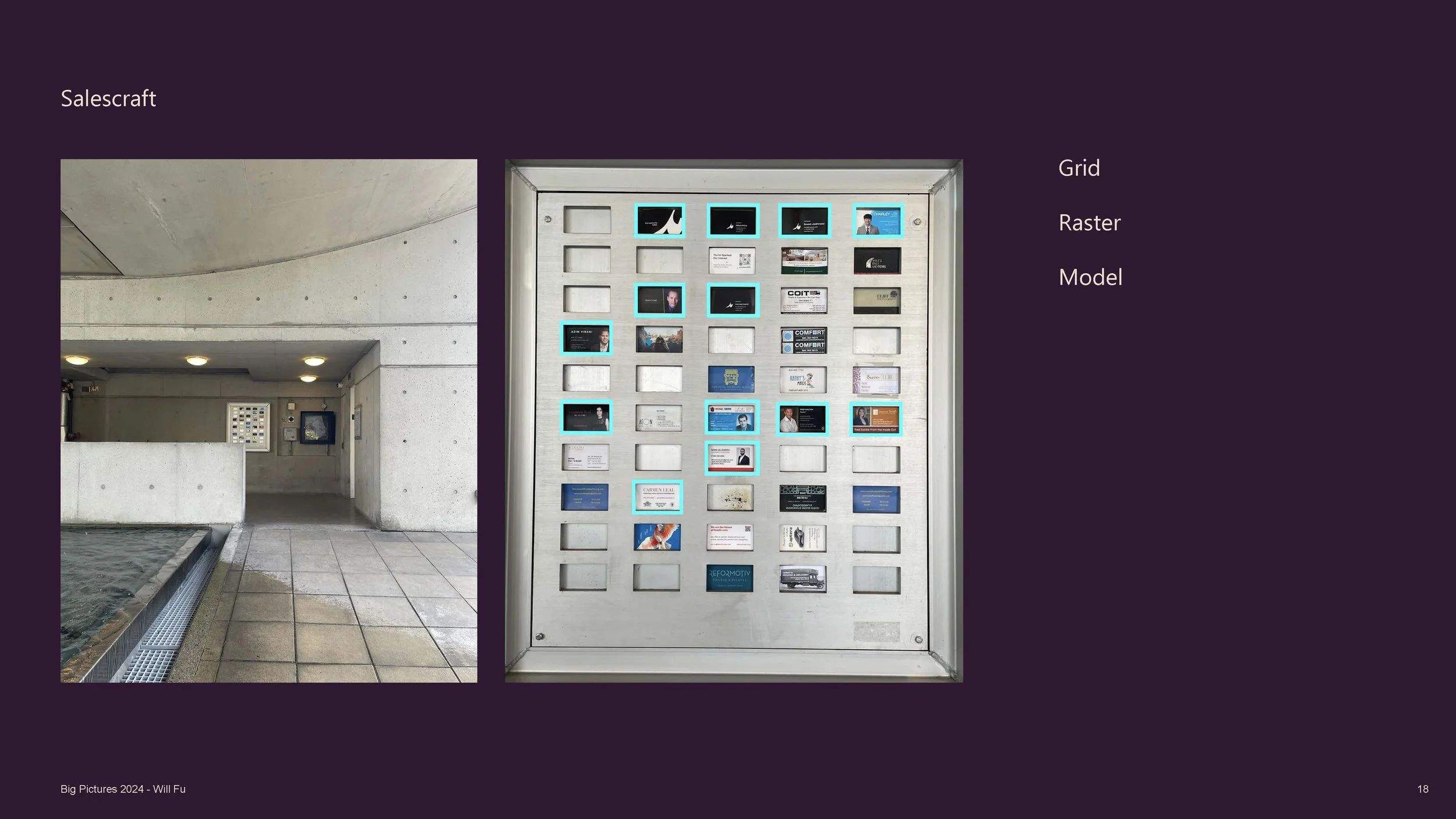
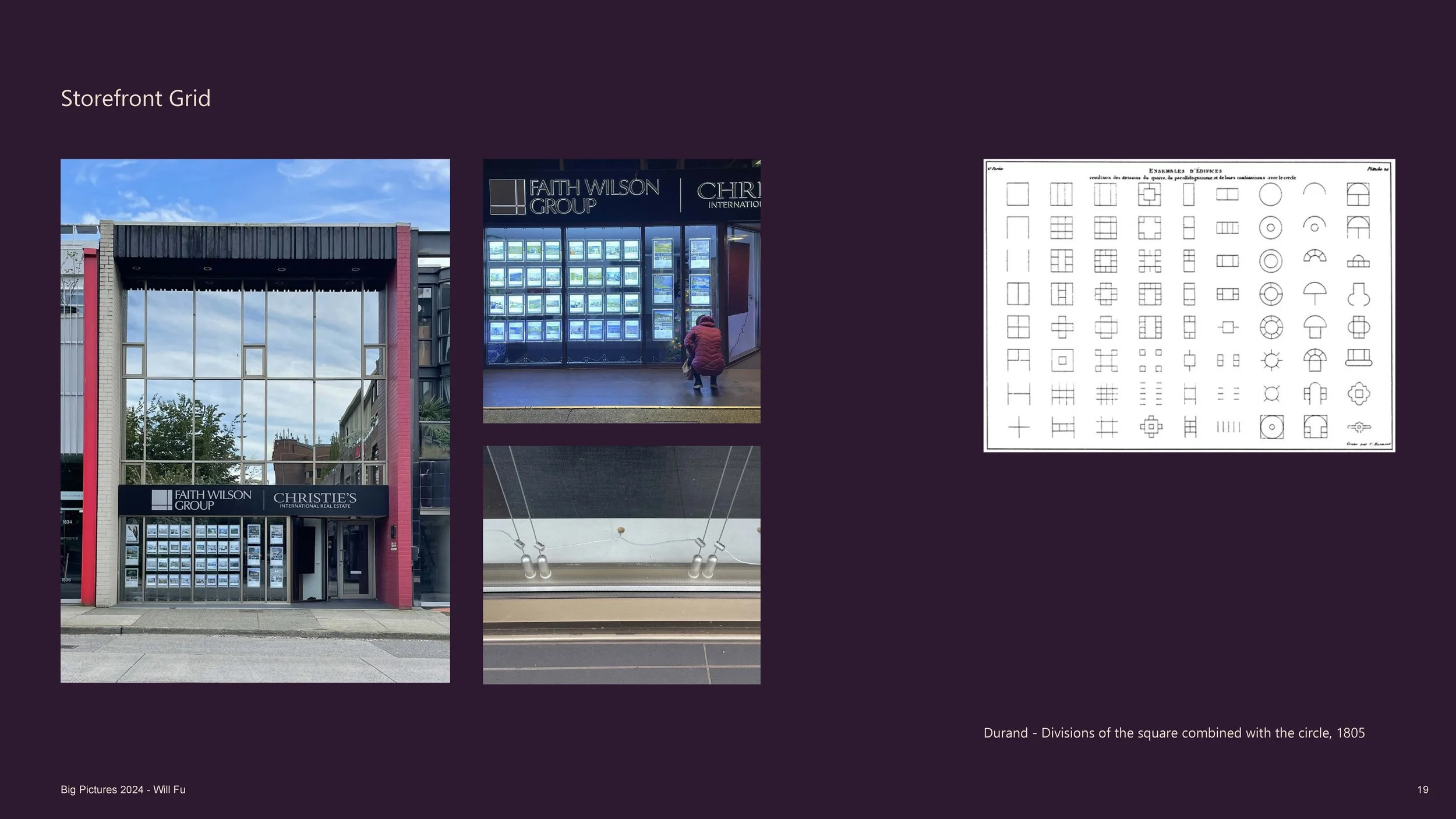
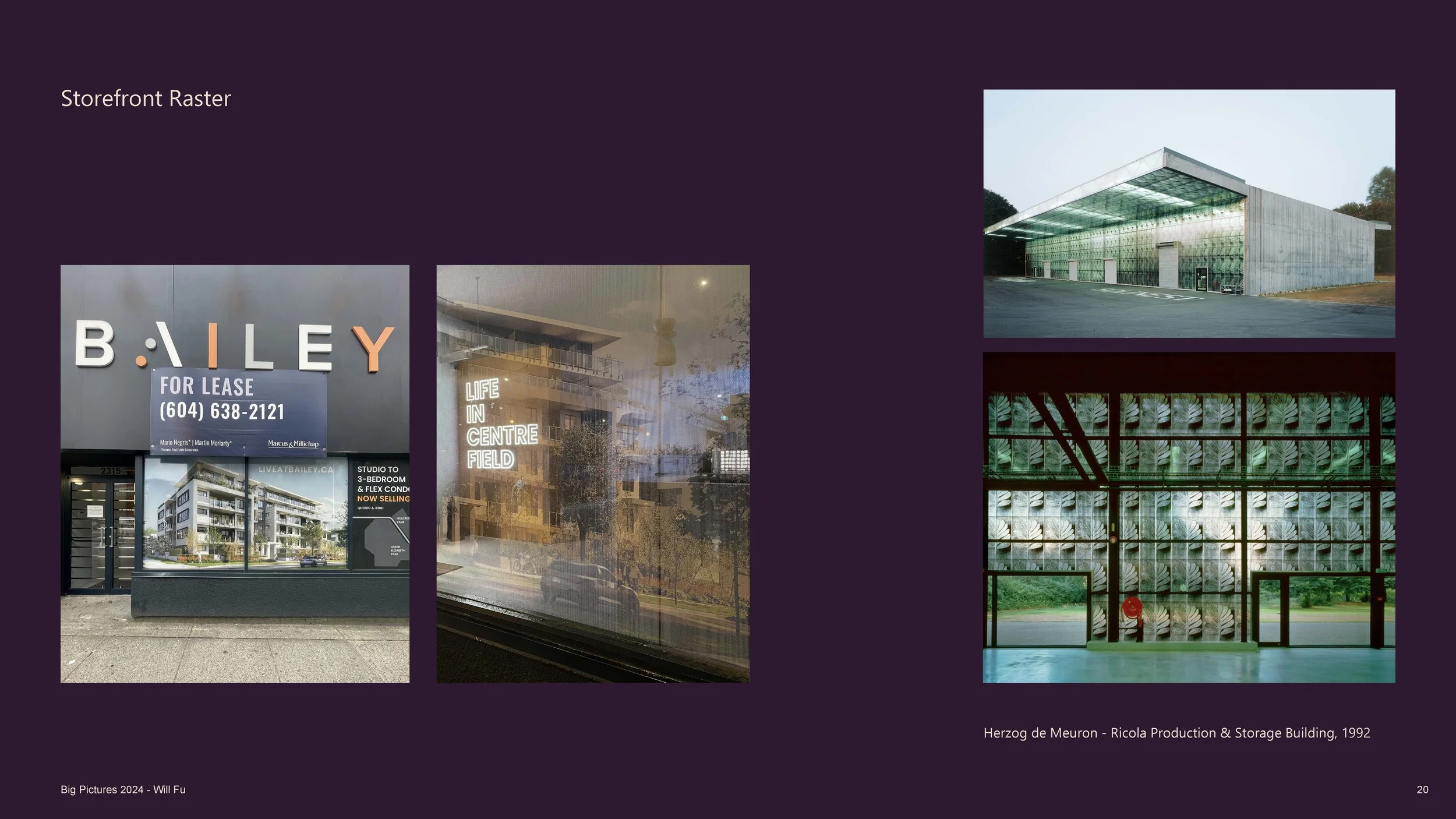
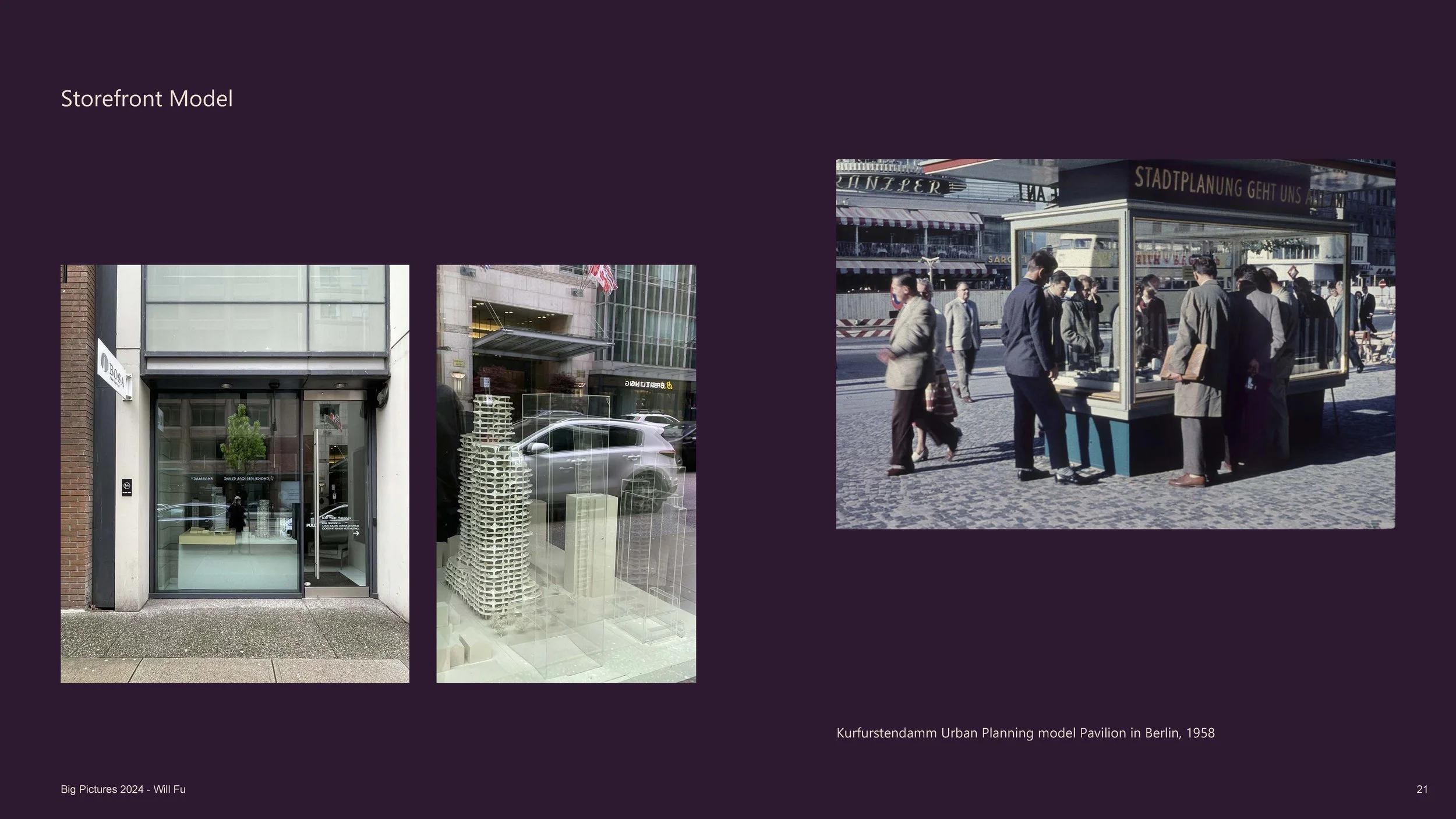
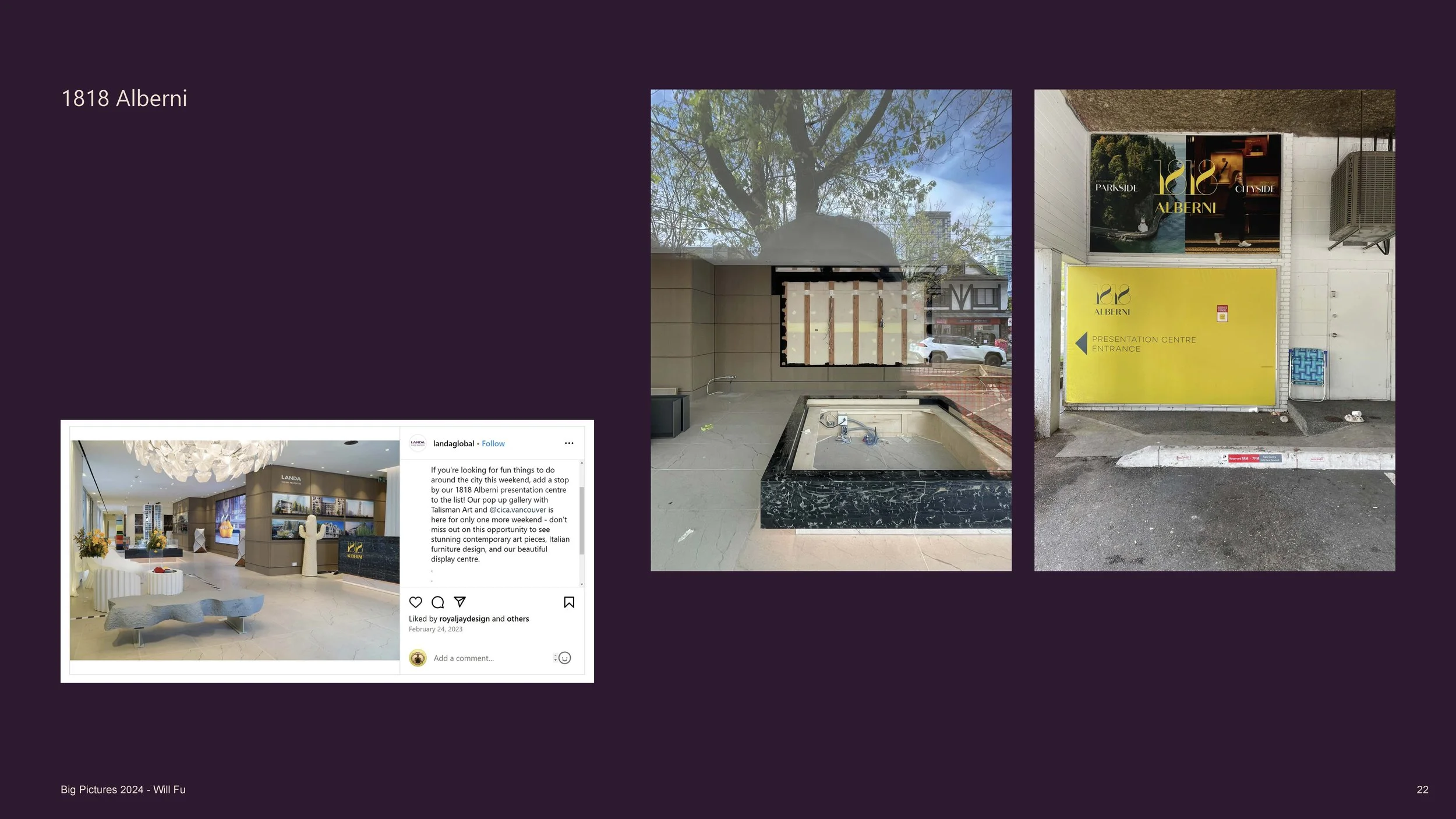
Another is a paper I presented at the Big Pictures Conference 2024 titled “On Real Estate Enchantments: Lessons from Frederick Kiesler and the Modernist Avant Garde.” This paper centers on 1) examples of avant-garde artists who mobilize their work to support commercial enterprises through storefront design. This was primarily assessed through the figure of maverick artist-architect Frederick Kiesler, who not only wrote a book, “Contemporary Art Applied to the Store and its Display,” in 1930 but also designed and proposed numerous precinct storefront designs that anticipated the multimedia experience of consumption today. 2) The other investigation was a survey of the design of Real Estate storefronts in Vancouver, categorized into 3 main types: the grid, the raster image, and the model. The key themes examined in this paper continue to inform an ongoing project and series called “Houses for Sale.”
Can you walk us through your creative process? How does an idea typically develop from its earliest stages to a finished piece? Do you have any rituals, habits, or routines that help you stay grounded or generate new ideas?
I like to list the key objectives, request the project, and then assemble an archive of images and written material. These references could include representational strategies, design concepts, or literature that delves into the themes or context of the work. Usually, I let these images and sources marinate for a couple of days, then sketch and create mind maps before testing options in more prescriptive software.
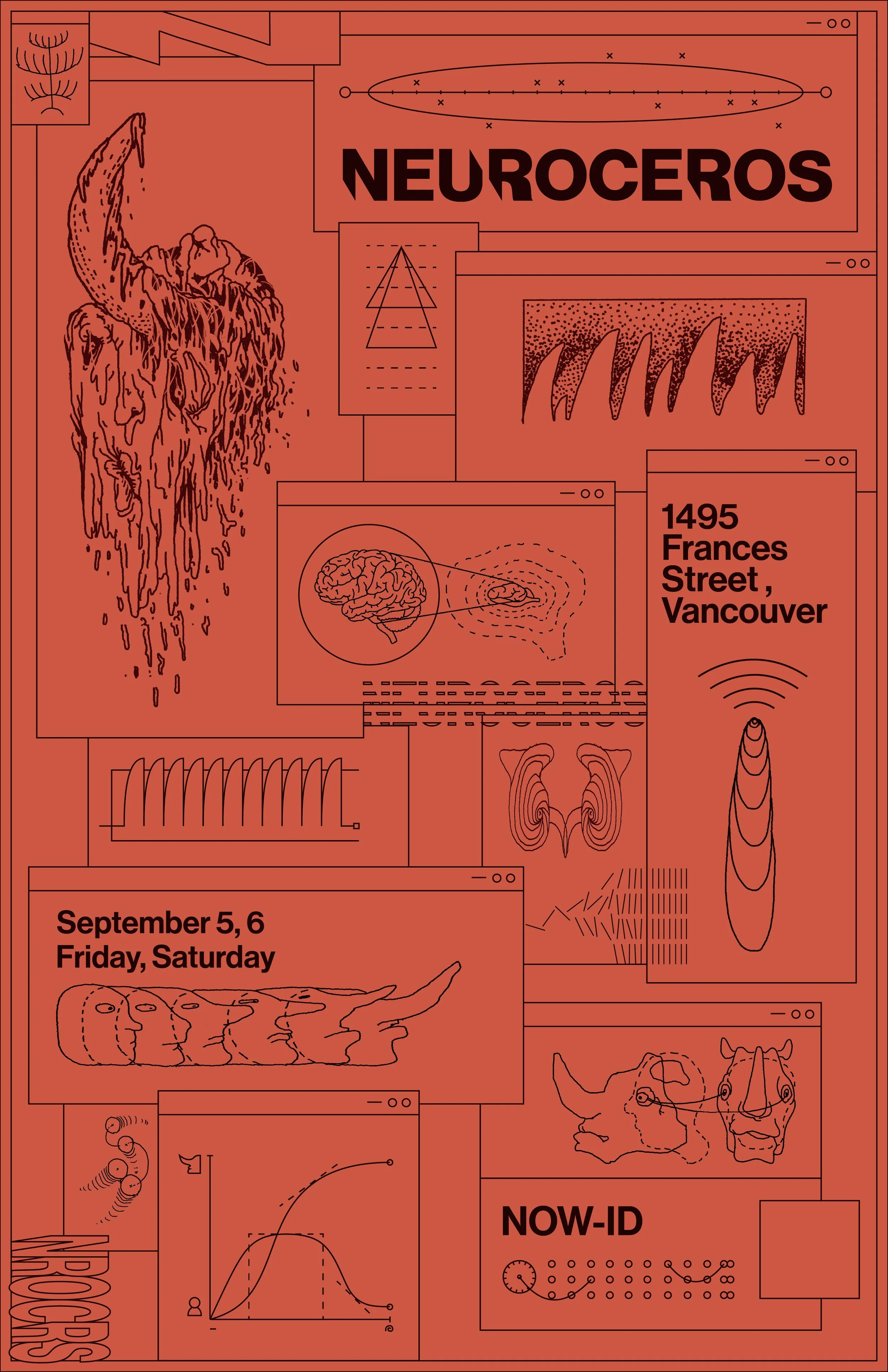
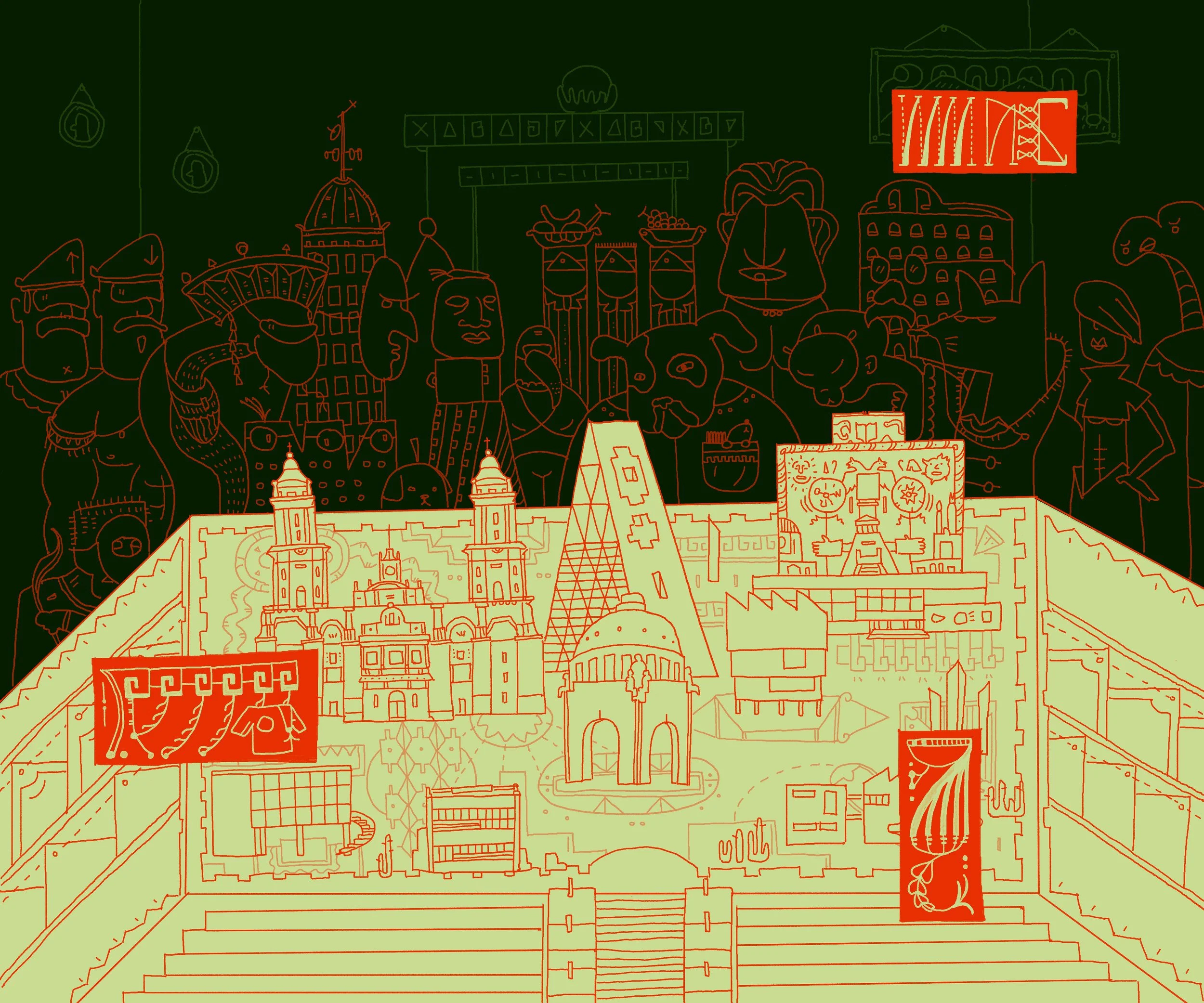
Posters designed by Will.
Which architects, designers, artists, writers, or thinkers have had the greatest influence on your work? What qualities in their practice continue to resonate with you, and have those influences changed over time?
The two architects I will love forever are Kazuo Shinohara and John Hedjuk, with Peter Markli, Kazunari Sakamoto, and early Frank Gehry close behind. Likewise, architectural theorists such as Mark Wigley, Reyner Banham, and Pier Vittorio Aureli, to name a few, have significantly shaped my work and thinking.
Travel often plays an important role in creative practice. Are there particular cities, landscapes, or cultural experiences that consistently recharge or inspire you? What is it about those places that leaves a lasting impression?
To take a different path in answering this, I definitely identify as an indoor kid, so my book collection, my digital archive of images and texts that I’ve collected over the years, and the internet are a constant well I go to to stay in touch with what other people have done or are doing. In this flattened historical reality we live in today, you can definitely find some amazing remixes and combinations of subject matter, practices, and themes.
What are you currently working on that you're excited to share? Are there any upcoming projects or new directions that feel especially significant at this stage in your career?
I am working on a series called “Houses for Sale,” which will examine the representational tools of architecture from the perspective of real estate marketing in Vancouver.

The title is borrowed from an exhibition of the same name in New York, where curator B.J. Archer gathered an international group of eight architects and invited them to rethink the design of a family house. My series will use drawings, animations, text, and physical models to critically examine the themes noted above, offering what could be described as a gentle manifesto for Vancouver. My dream is to turn this work into a book and, ideally, a design studio or symposium. More to come soon!
Apart from this project, I am eager to deepen my understanding of the craft of building. This would involve understanding the financialization of materials and labor, construction staging, connecting with trades, and delving deeper into construction methodologies and management. I believe developing these skills will make me a more well-rounded architect.
Finally, looking ahead, what hopes or ambitions do you have for your work over the coming decades? How would you like your practice to evolve, and where do you imagine yourself creatively 25 years from now?
I would love to have my own building projects in the future and to be engaged in some capacity as an educator. At the same time, I want to stay both agile and precise in my work, and I hope to make architecture as accessible as possible to the general public through collective action. I’m hoping to build a community here and contribute to the city’s intellectual, creative, and social fabric.
Learn more about Will’s work by visiting his website.