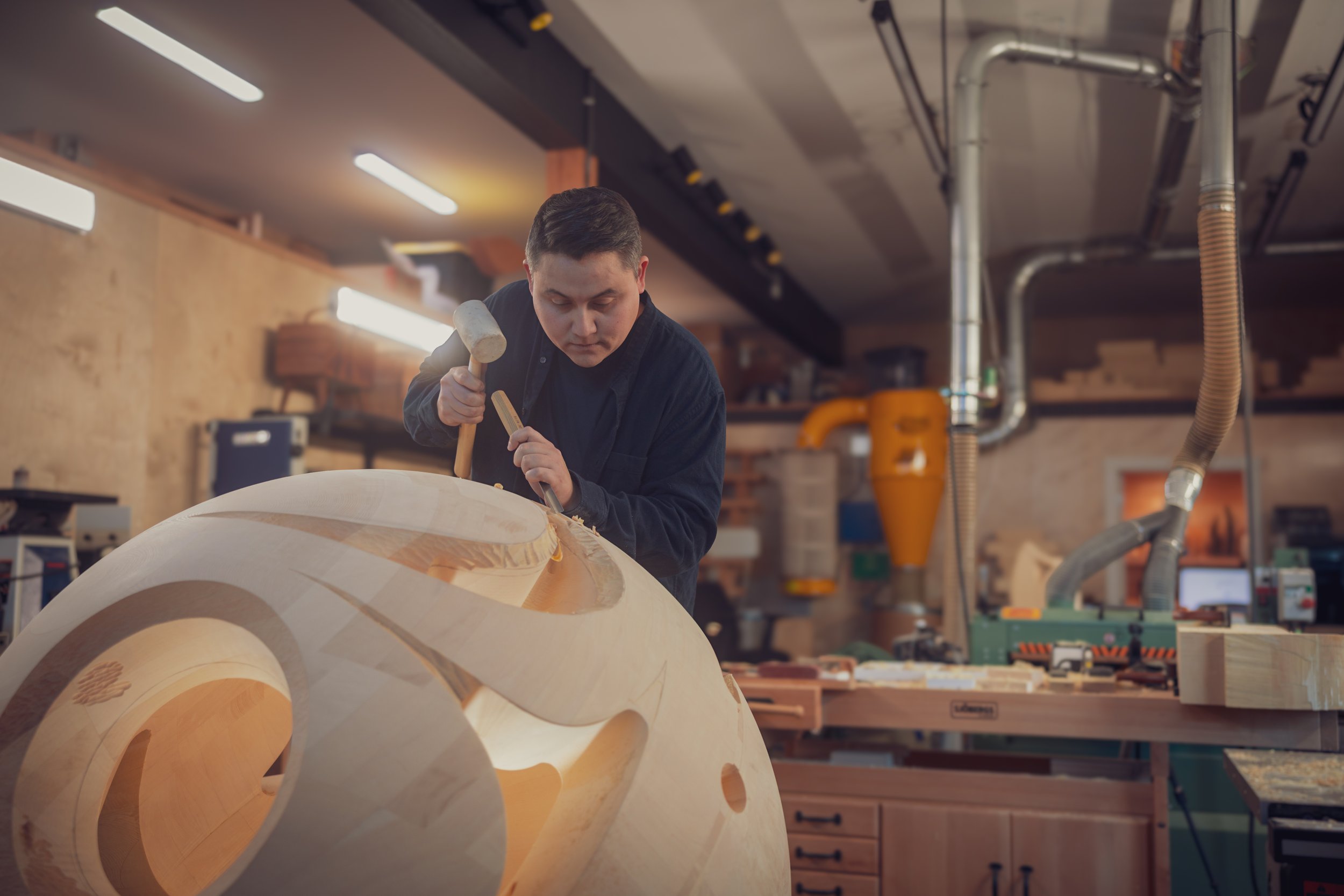
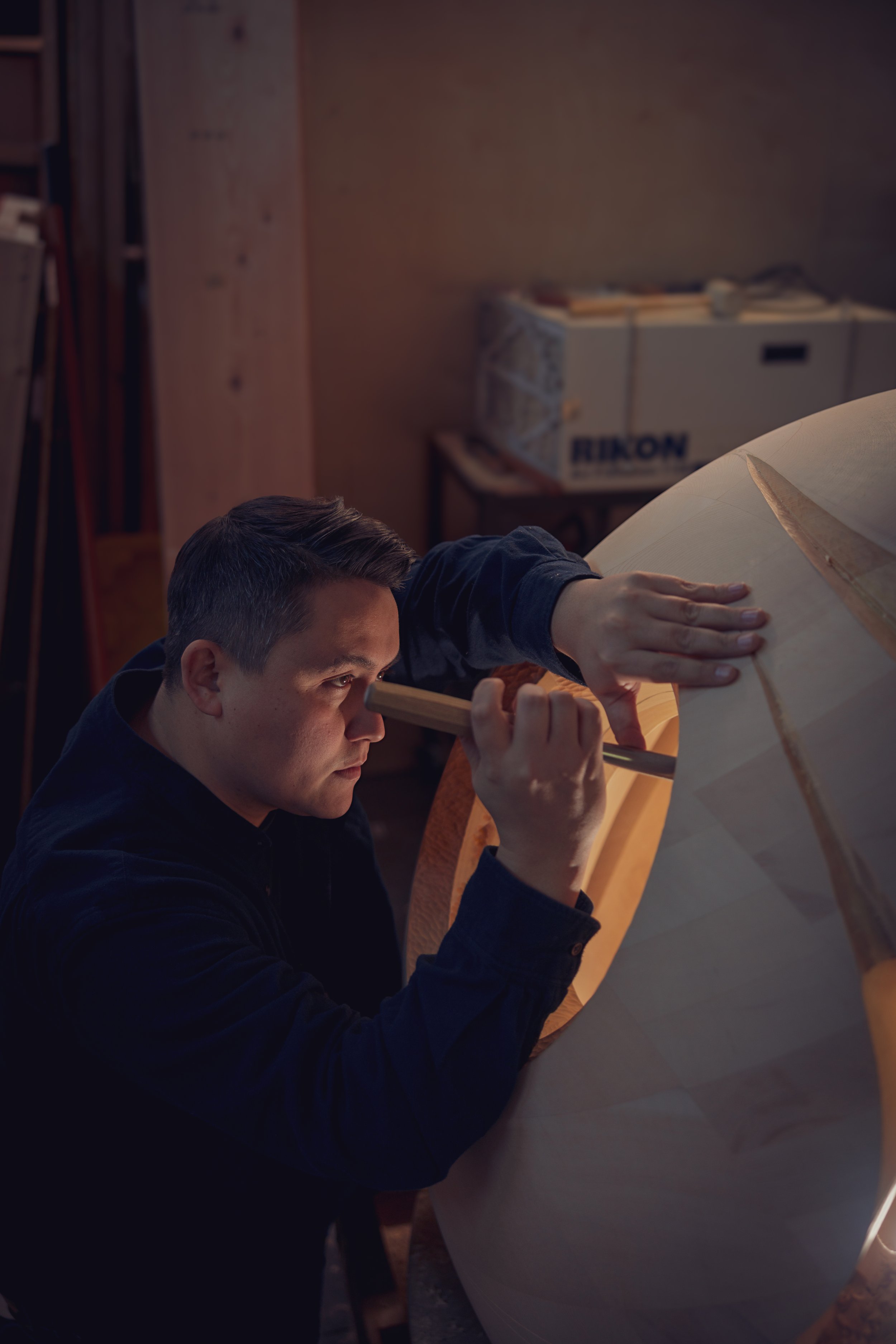
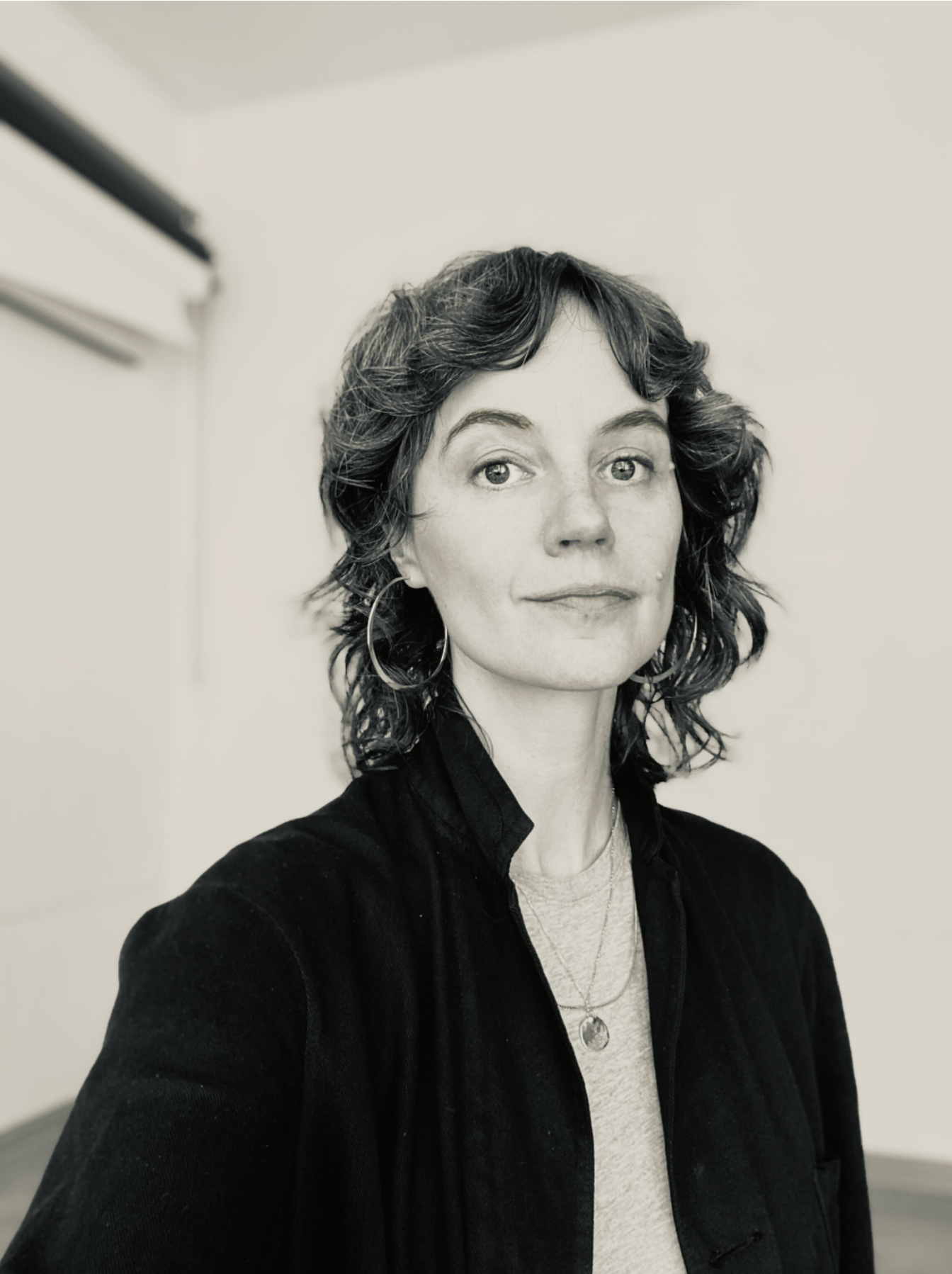
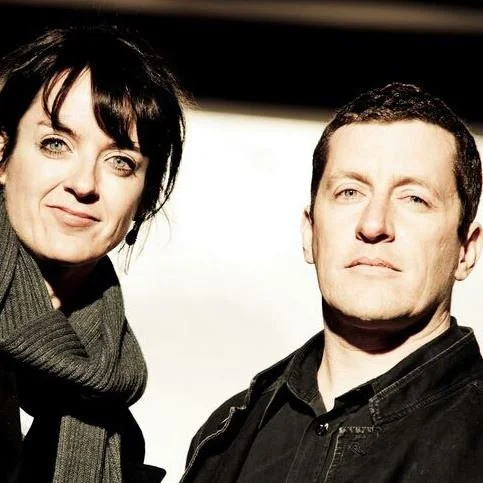
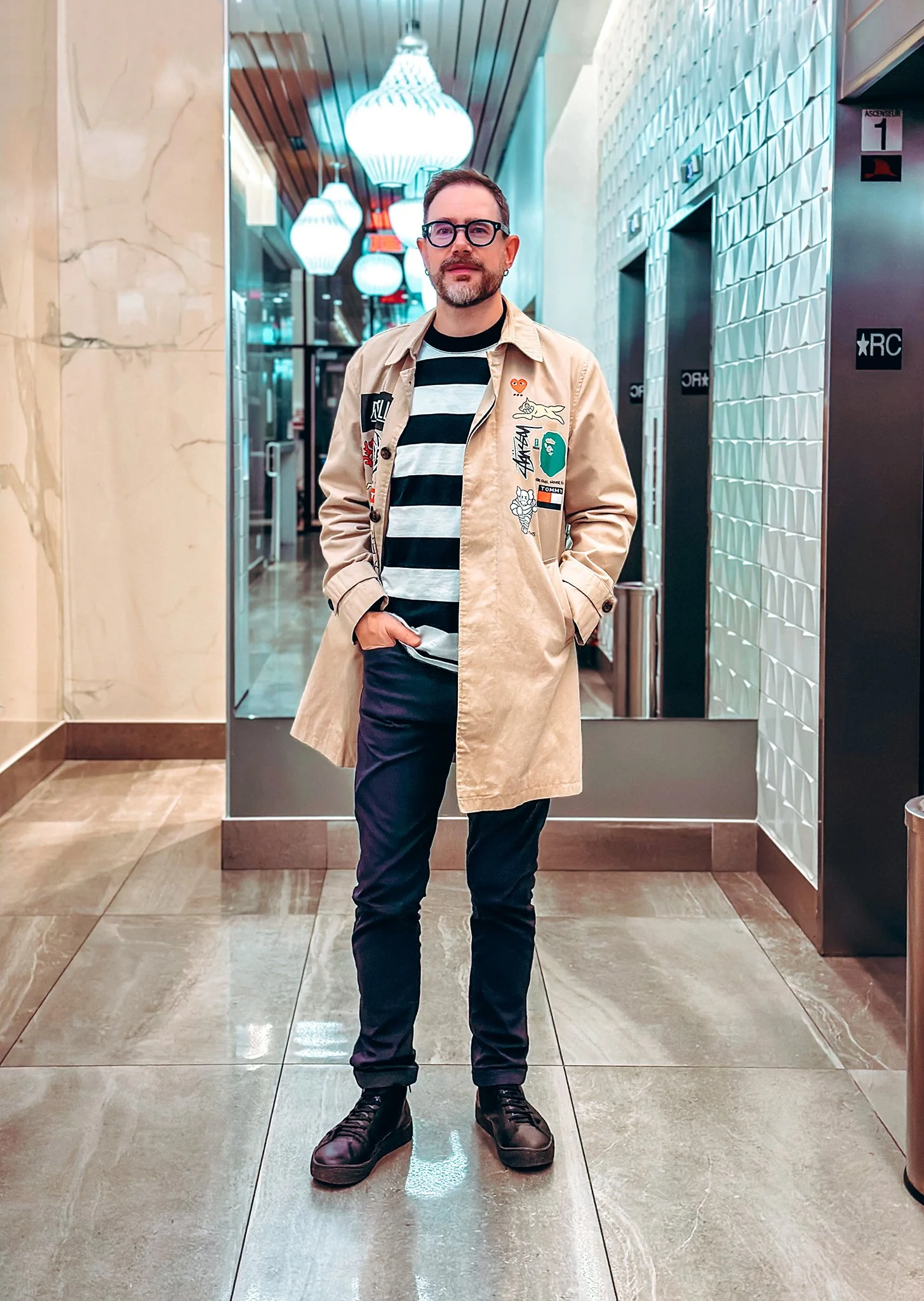
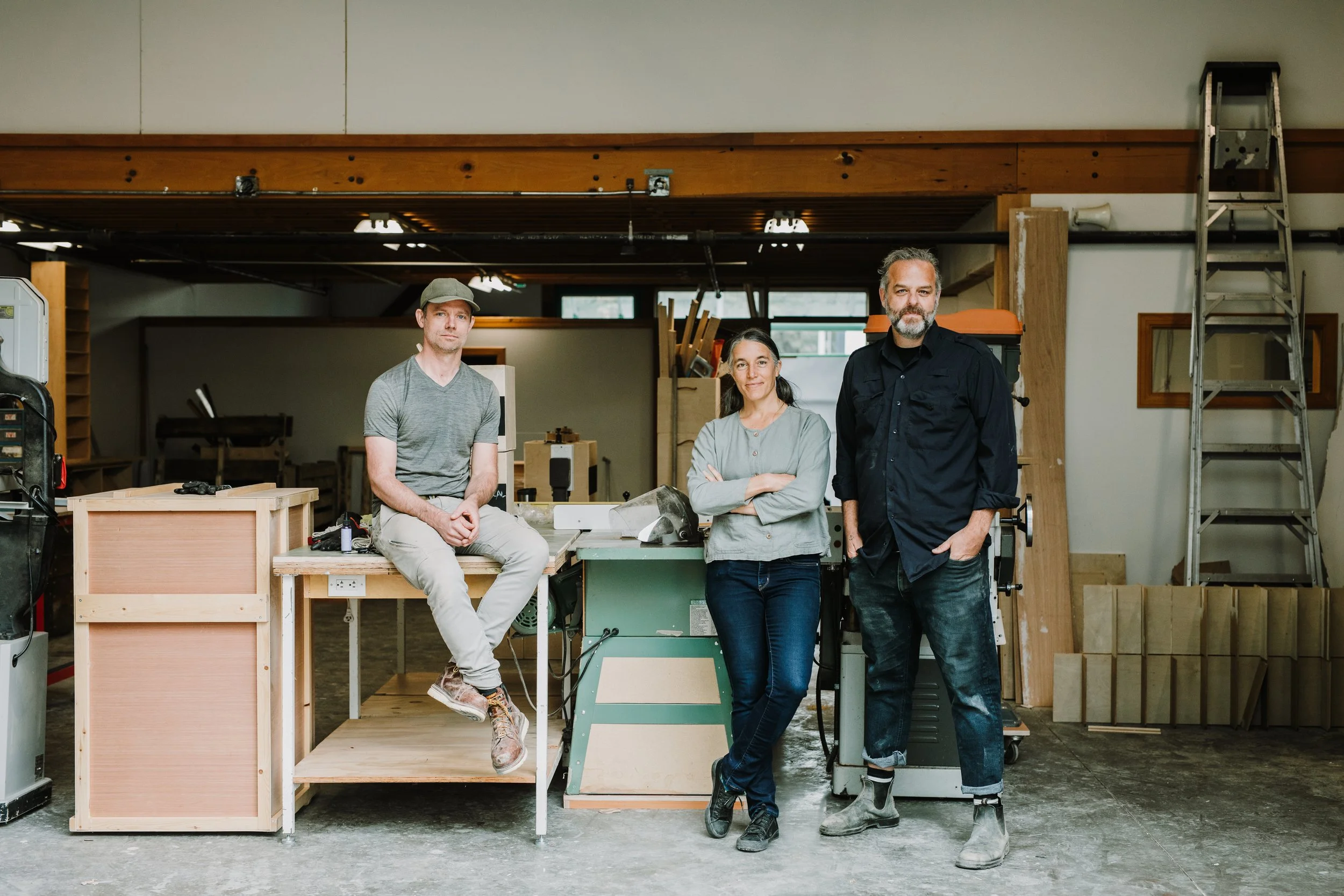
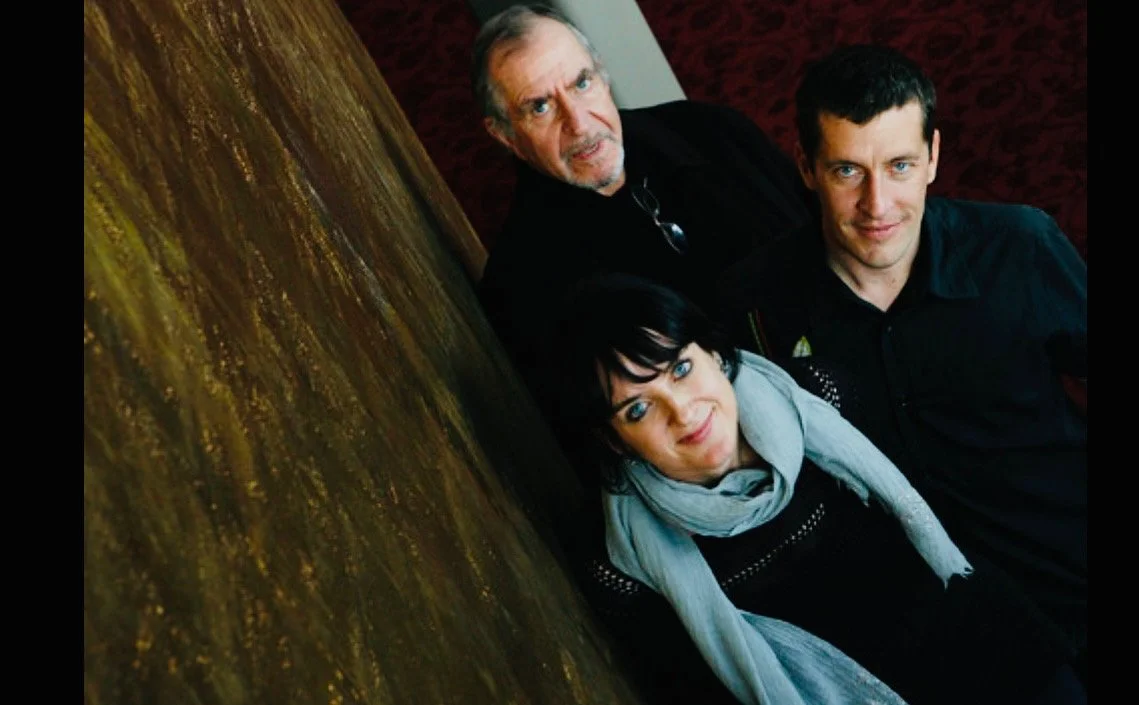
Nik Rust, Pamela Goddard, and Toby Barratt - Photo by Bright Photography
As part of NOW-ID’s ongoing interview series, Ne Plus Ultra — which features stories of artists and designers creating inspiring and impactful work — we are delighted to share the insights of Vancouver’s Propellor Studio. Propellor is an independent, multi-disciplinary design studio; if you are in the area, you can visit their gallery on Granville Island to see their latest work alongside curated pieces from other local creators. Fun fact: Principal Nik Rust is the son of architect Paul Rust, who designed NOW-ID founder Nathan Webster’s childhood home in Crescent Beach circa 1977. This one is special to us!
From Propellor’s website:
We thrive on the challenge of creating useful, beautiful, and ecologically minded objects and experiences. Our work spans a broad range of disciplines from lighting and furniture design to spatial design and sculpture. There are threads that run through all of our work - an interest in nature, its forms and systems, a passion for exploring materials, function, and aesthetics, and a desire to make things that will last well into the future.
Can you tell us a little about your background? How did you all meet?
Nik: Somehow, we all found ourselves in the studio program at Emily Carr in the early nineties. There we met, became fast friends, and by our final year were already working together on art projects. Collaboration felt completely natural at the time, but in retrospect, I suppose it wasn’t a very common thing at all. Not that it was discouraged, but art is primarily framed as a solitary endeavour, so I think the art school system is (or was) organized to foster work in that context...
When, where, and why did you begin Propellor?
Toby: A desire to work together and build a studio from the ground up brought the three of us back together in 2000. From the beginning, we wanted to work in a multidisciplinary way, much as we had in school. We had the opportunity to take on a 400-square-foot gallery space on Granville Island attached to the woodshop where Pam was working at the time as a finisher. Use of the shop was included in the rent, so we were fortunate to have an excellent place to make our first pieces and a sweet little gallery in which to show them. Within a year, we were selling our first furniture pieces, Pam had created a line of hand-milled soap, and we had begun our first experiments in lighting. It took some time to gain traction, but a pivotal moment came when a young local restaurateur walked in and said, “Hmmm, I don’t exactly understand what you guys are doing here, but I like it. Can you design some interesting lighting for a new restaurant I’m working on?”
I love that you describe yourselves as a multidisciplinary design studio focused on creating useful, beautiful, and eco-minded objects and experiences. Were those three ideas your main guiding principles from the beginning? Do they carry equal weight in how you approach a project?
Toby: It took us a while to find our direction with Propellor. The three of us are generalists by nature, and we have always been drawn to working across different modes, methods, and materials. Over time, the idea of designing and making things that are useful, beautiful, and eco-minded became a kind of compass for us, something that helps bring us back to our path when we drift in pursuit of curiosity, novelty, or simply the realities of making a living. Those three principles do not always carry equal weight. Each project asks for its own balance. It can be very difficult to bring all three fully into alignment, but that challenge is part of what keeps the work meaningful for us. With every project, we carry forward a little more knowledge, intuition, and experience, always trying to get closer to that balance.
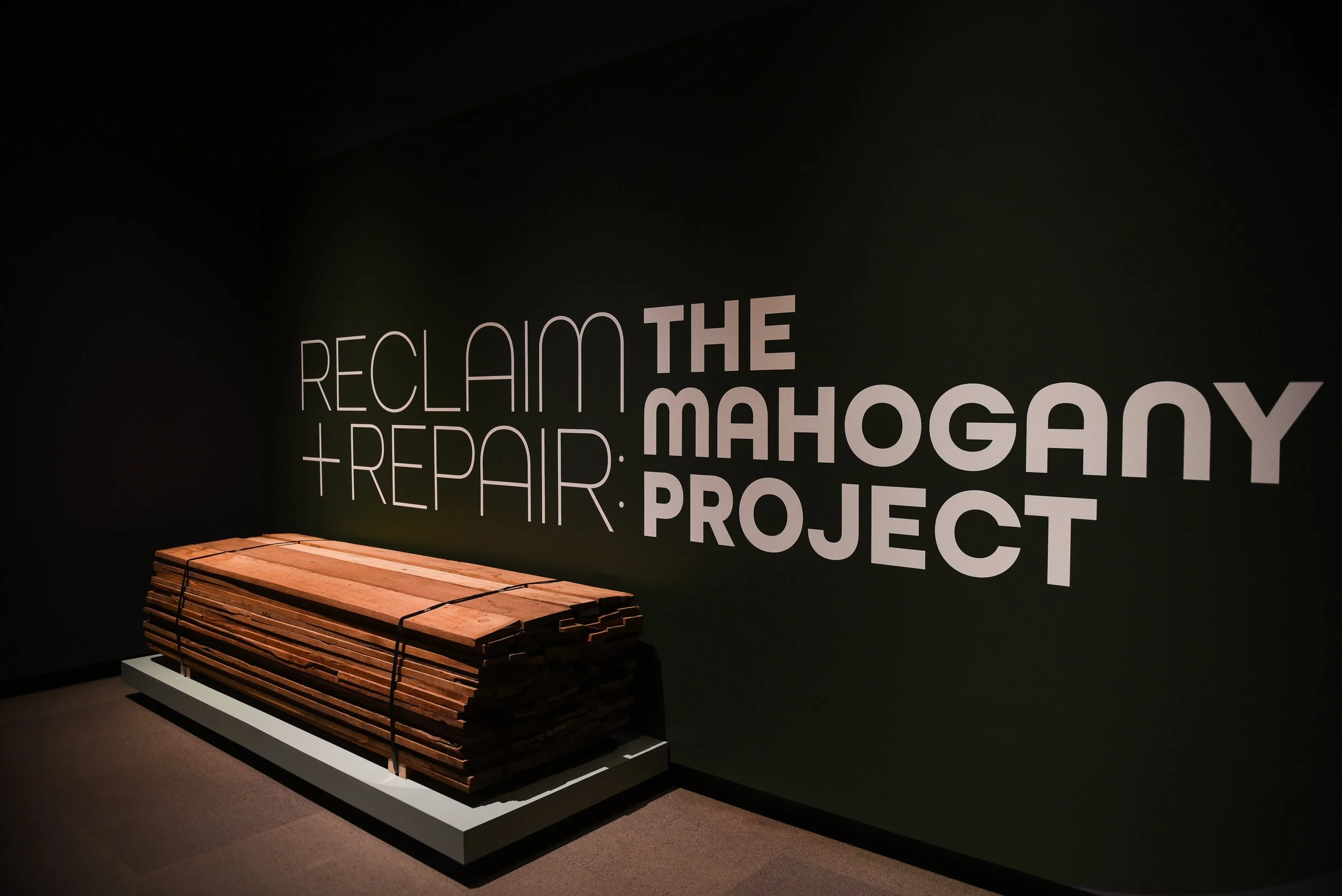
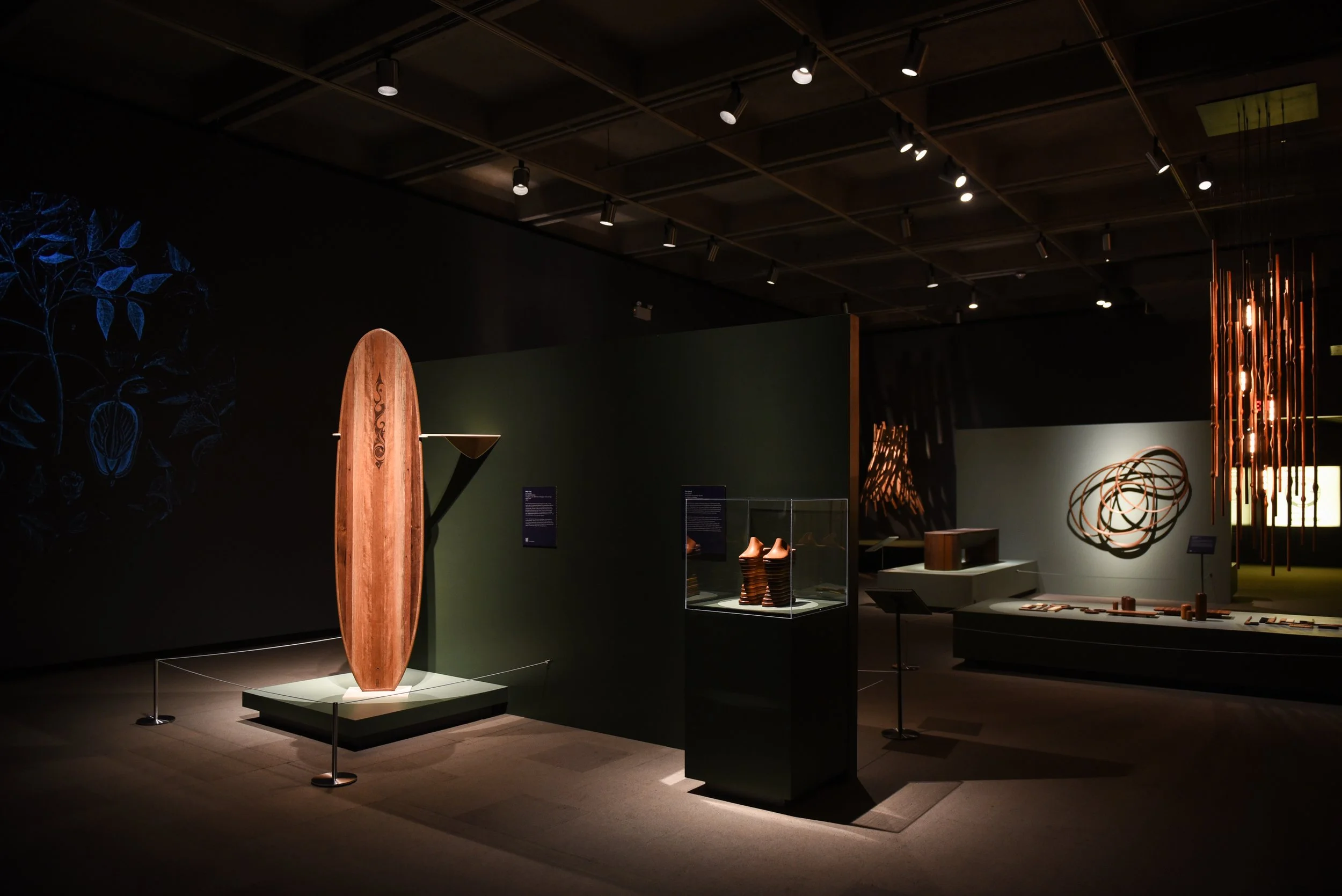
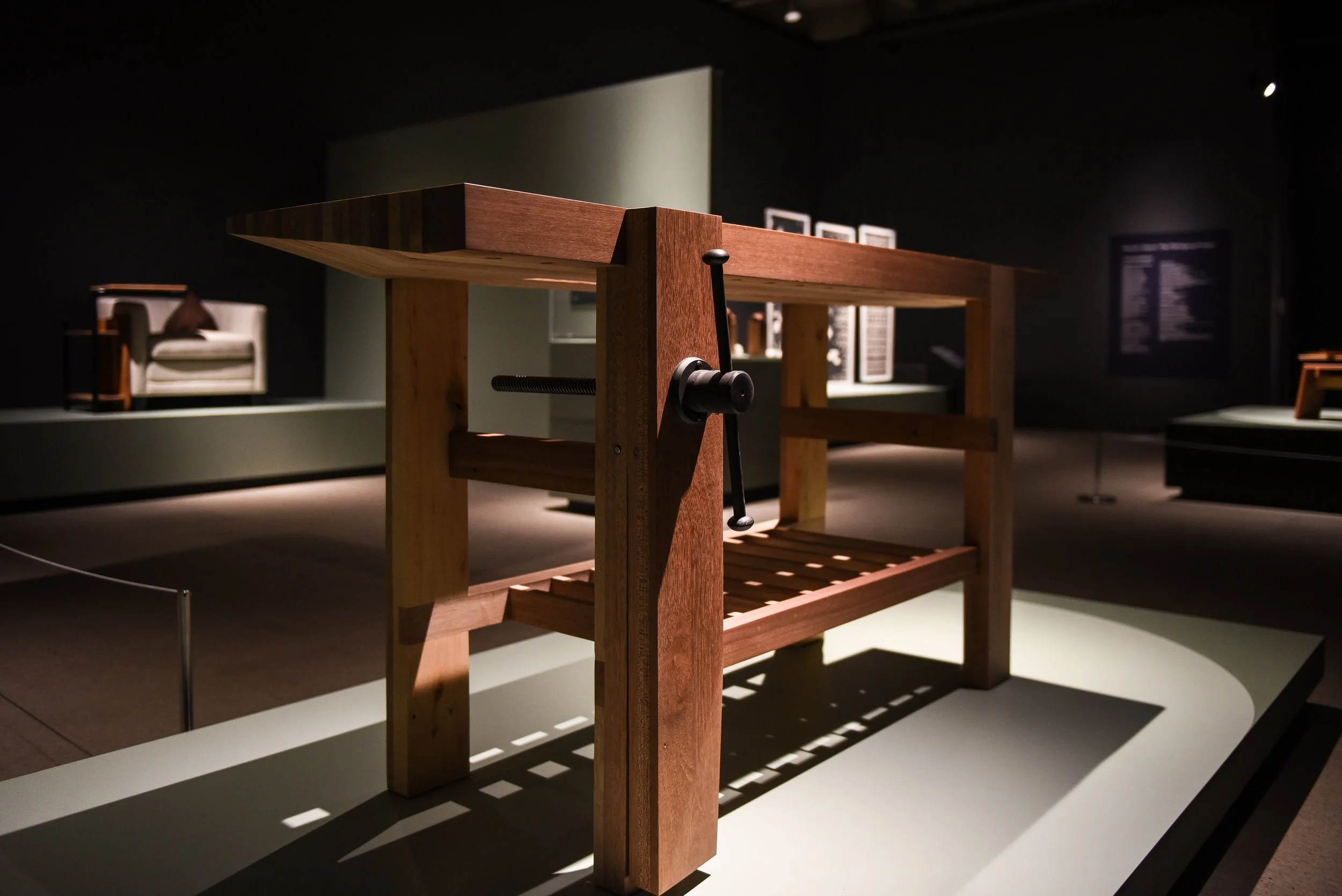
(Reclaim+Repair: The Mahogany Project - Photos by Rebecca Blissett)
Which projects helped shape your company, and why?
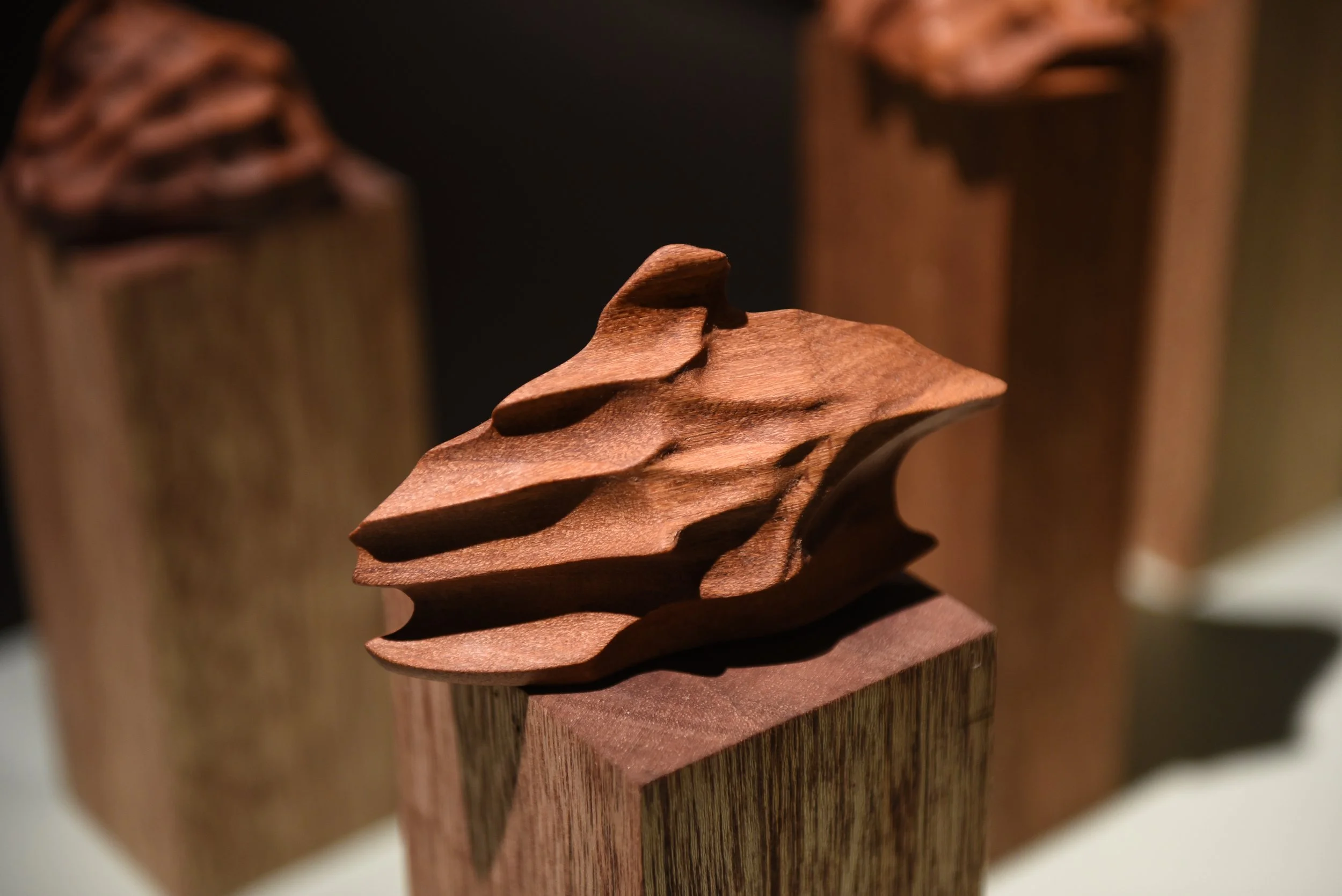
Toby: Reclaim+Repair: The Mahogany Project was a multi-faceted project that clearly defines the ethos of our studio. When the Museum of Vancouver offered us an extraordinary trove of vintage mahogany harvested in Central America between the 1950s and 1970s, we saw an opportunity to do something meaningful with a remarkable material. Working with the museum, we developed an exhibition that invited Vancouver designers and artists to create new works from this reclaimed wood, while also acknowledging the troubled history of extraction tied to it. A portion of the proceeds from the sale of the work was directed toward Indigenous-led reforestation initiatives in Central America. For us, the project closely reflects Propellor’s core commitment to creating work that is useful, beautiful, and eco-minded. It supported Vancouver’s design community, honoured the beauty and potential of the mahogany, gave the material a purposeful public life through exhibition and dialogue, and approached sustainability not simply through reuse, but through repair, accountability, and a commitment to regeneration.
(Rift - Burrard Place - Photos by Ema Peter)
I am a little obsessed with your Rift project at Burrard Place. How did that project come about? What was the prompt, and what was the process of building it?
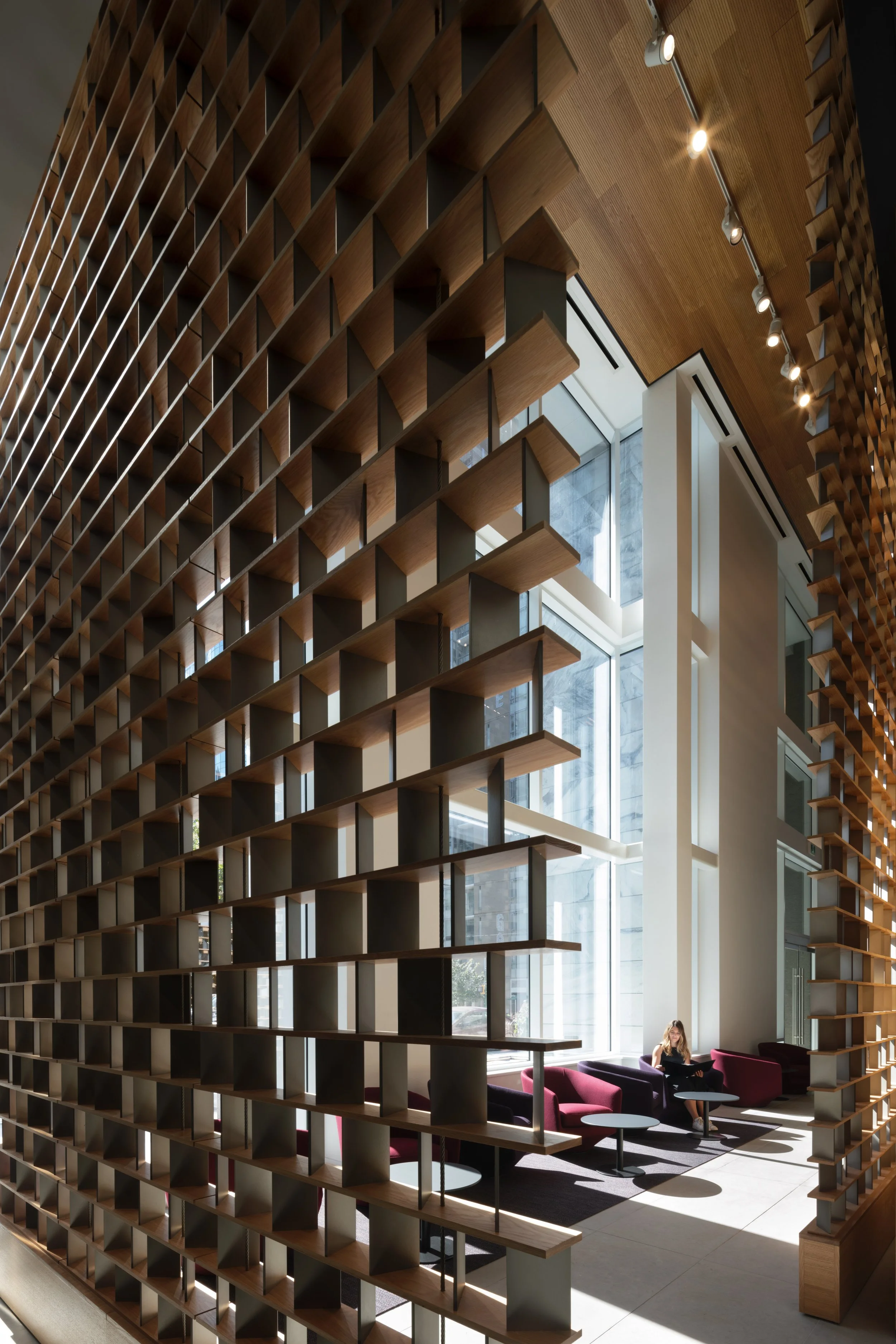
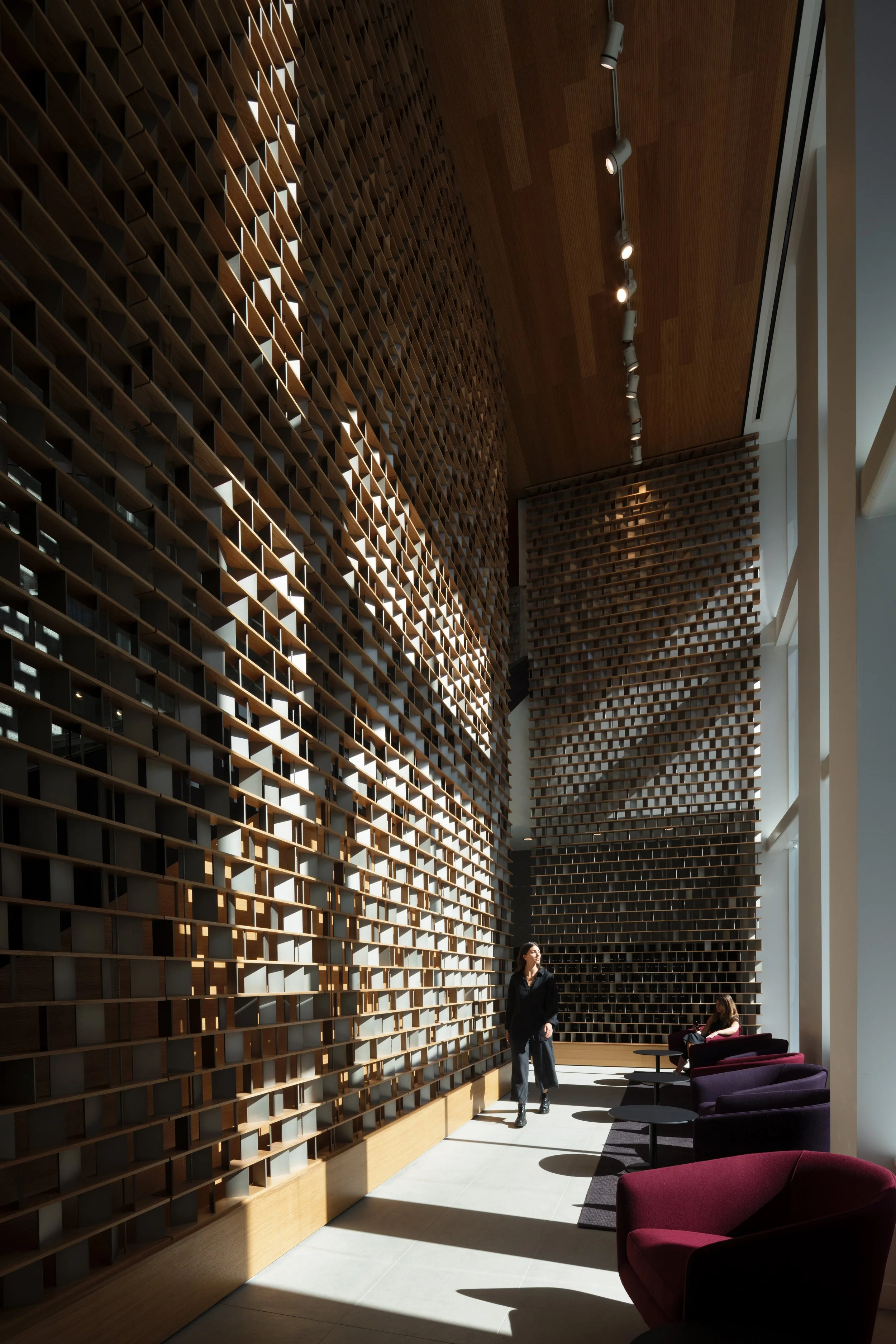
Nik: Rift is a pretty dramatic example of how some of our recent work has moved beyond feature lighting fixtures into larger, purely sculptural architectural installations. In the case of Rift, we were approached by the Office of McFarlane Biggar to design and produce a large-scale architectural feature. It was to be a pair of 30-foot screens for the lobby of a large downtown tower project. The brief was fairly straightforward: the screen should feature materials from the existing project interior palette (specifically white oak and bronze), reference the architecture of the tower more broadly, and that the level of transparency of the screen should be subtly variable so it could respond to the differing demands of each part of the lobby; to allow light and sight-lines to transmit in some places, in others to create more of a visual barrier between discrete spaces. In terms of scale and engineering, this project put us more than a little outside our comfort zone, and we were thankful to be working with such competent and supportive collaborators at OMB. Even so, heads were scratched and sleep was lost, but in the end we landed on a concept that we feel responded to the design brief on the one hand, and addressed our concerns around scale and engineering on the other. Most helpfully, it involved only two small primary components. We conceived of it as a kind of giant abacus; the structure is provided by a series of tensioned cables running from floor to ceiling, onto which the oak horizontal elements are threaded like beads. Between the oak slats, a series of center-pivoting bronze anodized panels are sandwiched, creating a kind of louvered effect. Each panel was hand-positioned during installation to create both a sense of overall randomness and the right level of transparency for that particular portion of the screen.
We do have a time-lapse of the installation on our Instagram feed (propellorstudio), which gives a sense of the actual installation if you’re interested...
Did you start PROPELLER on Granville Island, and if so, why was it important for you to be based there?
Toby: Yes, we met at Emily Carr University on Granville Island, started Propellor here, and after a 15-year hiatus, brought our studio back here again. It is simply an ideal place to work. We are part of a community of artists, designers, and entrepreneurs, by the ocean, surrounded by the city, and visited by curious people from around the world.
What more could we ask for?
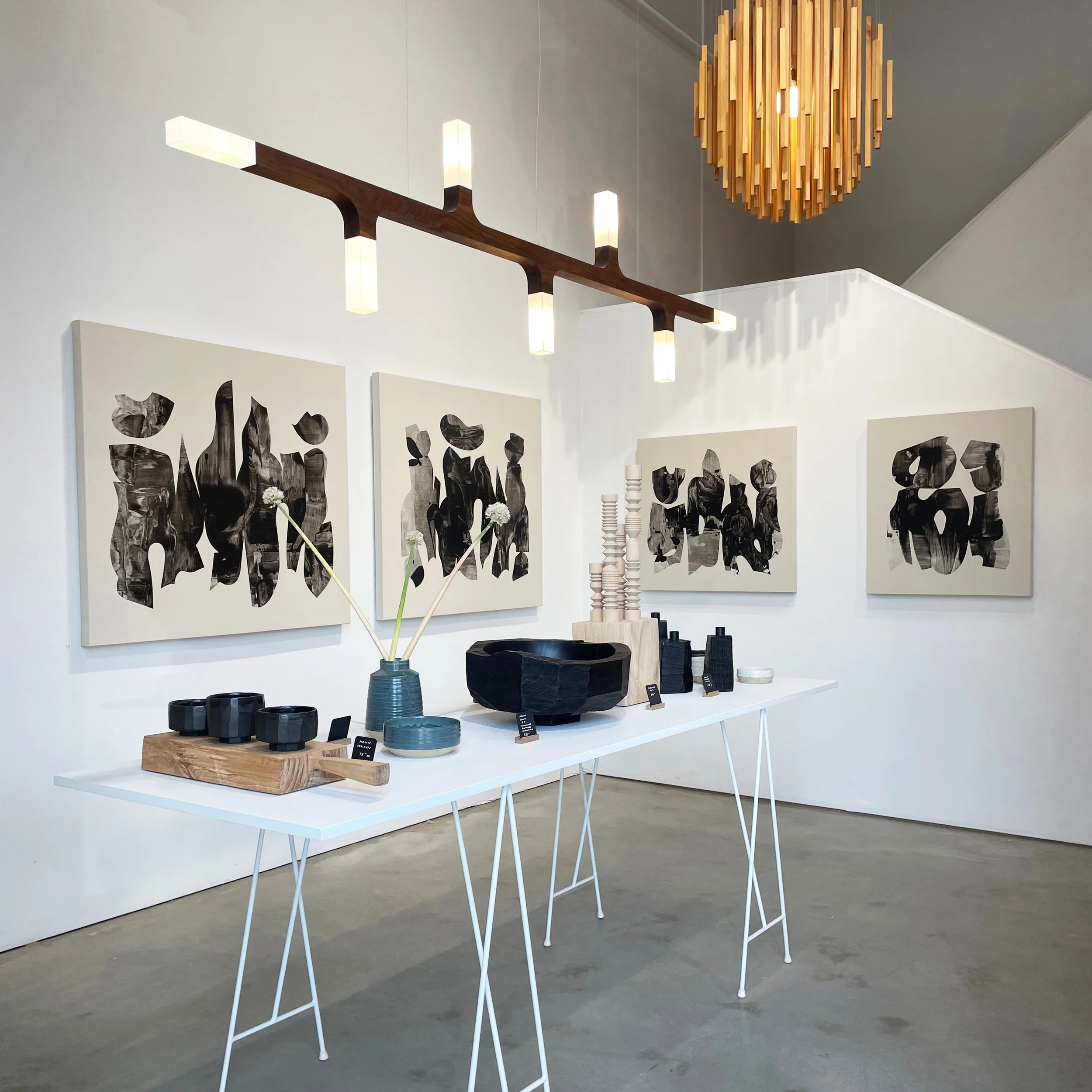
Propellor Gallery - Granville Island
How do you typically approach a project? Is it always collaborative, or does one person usually take the lead? And can you talk about what collaboration means to you?
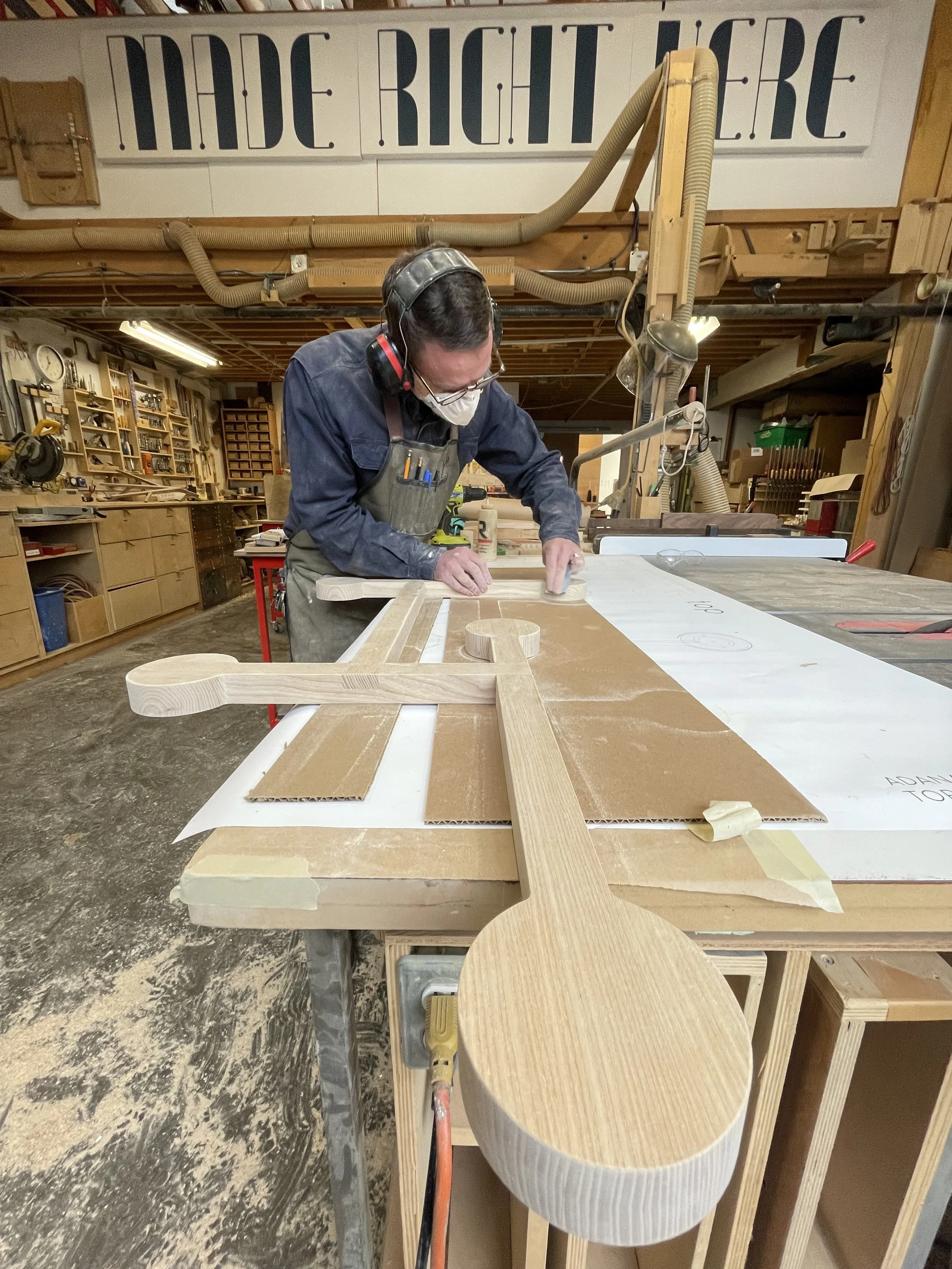
Nik: It’s different every time, but collaboration is always at the core of our process, not only between us but also with our clients. Often one of us does act as a kind of de facto project manager, and this is usually determined organically, either by where the idea originated, whose wheelhouse the project most readily falls into, or even who has the most bandwidth at the time. Either way, we end up putting our heads together and jamming often, whenever it’s time to focus the vision, tackle technical hurdles, or if the project starts to grind and needs a fresh perspective. Even when things get really challenging, it’s very rare that we all go blank at the same time, there’s always one of us who can come in with a question like "what if we looked at it this way…” and we’re able to keep moving. All that said, we've also made a point of creating space in our practice to explore our own idiosyncratic visions. By setting aside days dedicated to open-ended exploration (prototyping, experimenting, and generally playing) we’re able to explore our own particular (and sometimes peculiar) ideas, which ultimately feed back into and energize our shared design practice. Now, with our new gallery on Granville Island, we also have a venue for the proceeds of these explorations, which has been a lot of fun, and a great way to see how these ideas live in the world.
Are there any cities you’ve traveled to that have inspired your work? If so, which ones, and in what ways have they influenced you?
Nik: I think much of our inspiration comes from right here actually, the city yes, but more specifically the surrounding region. We all spend as much time as we can in the woods, mountains and waterways around Vancouver, and I think that our sense of place and love of the natural world are always intrinsically informing our designs and material choices. Also, despite not having been there, we draw a lot of inspiration from Japanese craft, I often speculate on how much richer, more interesting, and less wasteful our world would be if an inspired concept like Wabi Sabi was truly embraced at scale...
What or who inspires you in your creative process?
Toby: The Japanese have a term, shinrin-yoku, or “forest bathing,” which speaks to the restorative value of time spent in nature for both mind and body. We head to the forest as often as we can to hike, canoe, and camp, using those trips to replenish ourselves and rekindle creativity. Nature is a constant touchstone in our work. We are drawn to the forms, textures, and patterns that abound in the natural world, and a trip into the mountains never fails to inspire. Closer to home, our studio on Granville Island keeps us in daily conversation with our neighbours. Those conversations often lead deep into the intricacies of printmaking, coffee roasting, public sculpture, silversmithing, and more. Many of our neighbours are acknowledged masters of their craft, and getting to know them and their work is deeply inspiring.
I’m a bit of a lamp enthusiast, and since so much of your work centers around lighting, what three components do you think make for a great lamp design?
Toby: Every great light has a strong sculptural presence and creates an undeniable mood. Each designer has their own way of getting there, and that is what I love about lighting: the possibilities seem endless. But at least once a month, I’m reminded that the moon is the archetype. There’s something to aspire to!
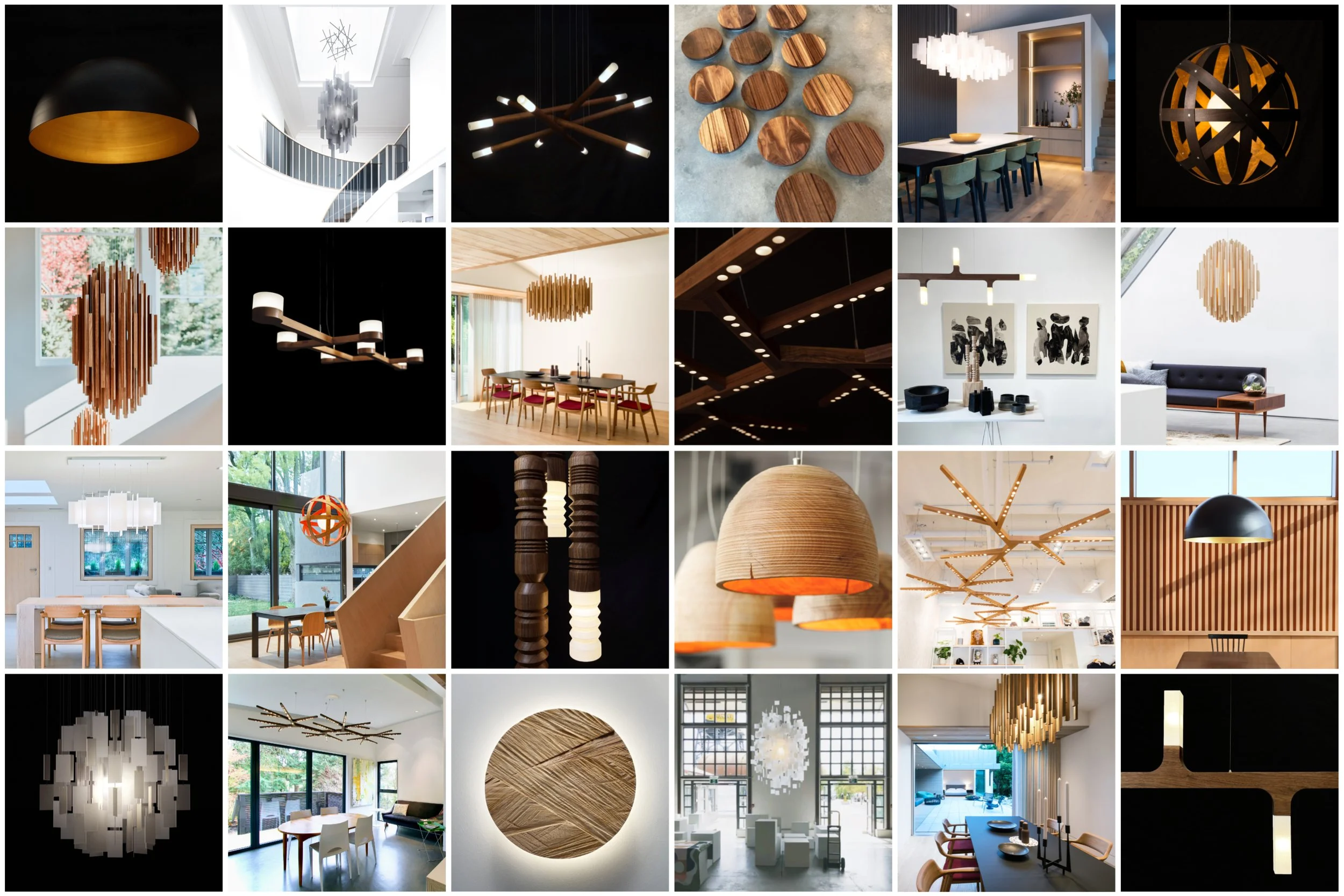
A selection of Propellor’s lighting design
Can you tell us about any upcoming projects that you’re particularly excited about?
Toby: We have a brand new light that we’re in the early stages of designing. It feels fresh and a bit of a stretch aesthetically. At the moment, it exists only in sketches and 3D models, but next week we begin prototyping, and that is always the fun part.
Stay tuned!
Where do you see Propellor — and yourselves — in 25 years?
Toby: Currently, I’m having a hard time imagining what the world will look like in 2.5 years, let alone where Propellor will be in 25. The accelerating pace of AI is a constant topic of discussion in our studio, provoking fascination, optimism, and fear in equal measure. We have been tracking the progress of machine learning fairly closely for the past five years, and the only thing that seems truly knowable in the face of this revolution is that change is coming at exponential speed. The first of many waves of disruption is only now beginning to roll across the economy. Knowledge work, and the creative fields in particular, are already feeling mounting pressure. Weekly advances in generative AI, including the very recent emergence of AI agents, call into question the certainty of continued human hegemony in all realms of endeavour. More than ever, in the face of a possible crisis of purpose and meaning brought on by the relentless push to automate everything, we are leaning into the most human parts of our work. We have always believed in the power of the handmade, the imperfect, the idiosyncratic, and the human-centred as an antidote to the homogeneity of the modern world. That will not change. What will remain constant in this coming reordering of institutions and systems of production is that human beings find meaning in making and valuing work conceived and produced by other humans—whether that is a wheel of cheese, a building, a love song, a teacup, or a light for their home.
What will we be doing in 25 years?
No matter what the world looks like, it is in our nature to keep making things that strive to be useful and beautiful.