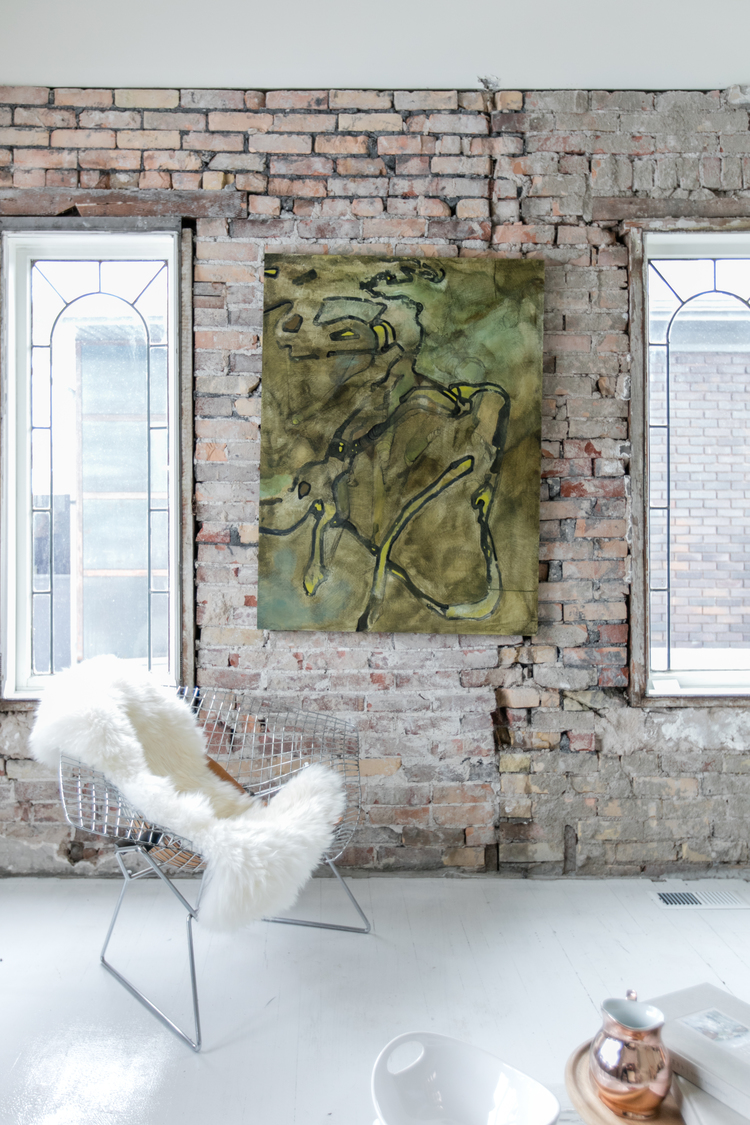
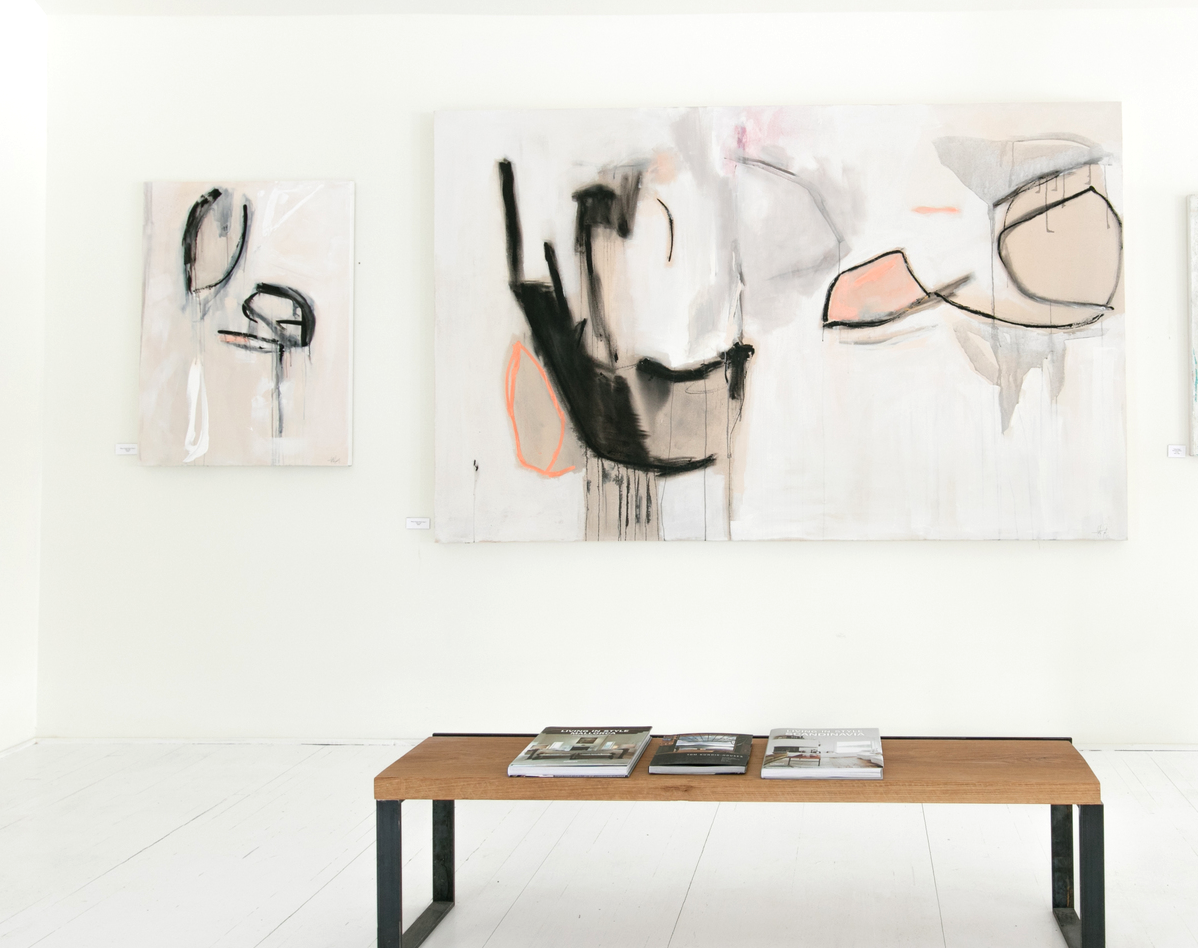
Tell us a little bit about your creative process as an event planner, a designer, and as an artist? Are those three processes distinctly different or do you see similarities?
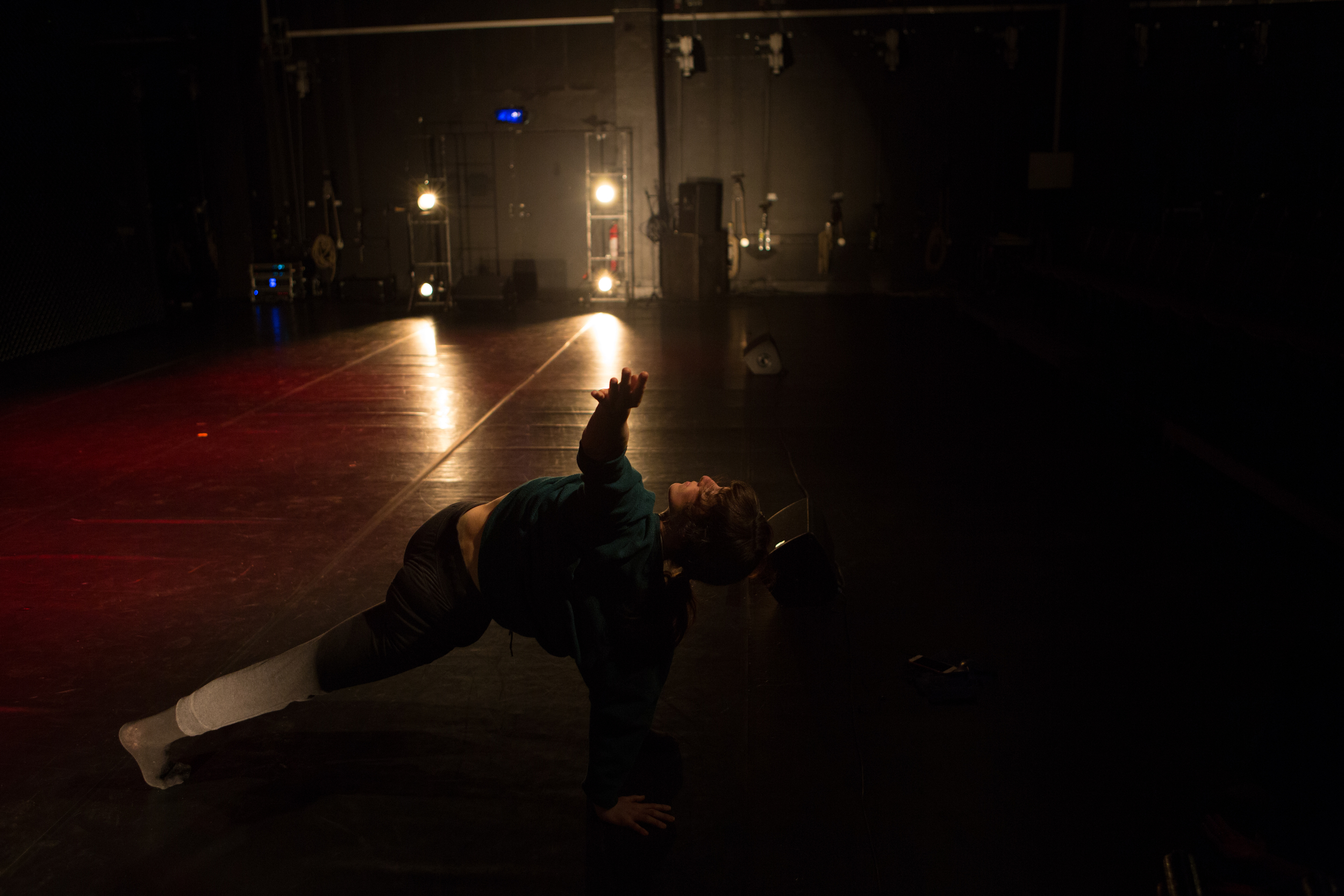
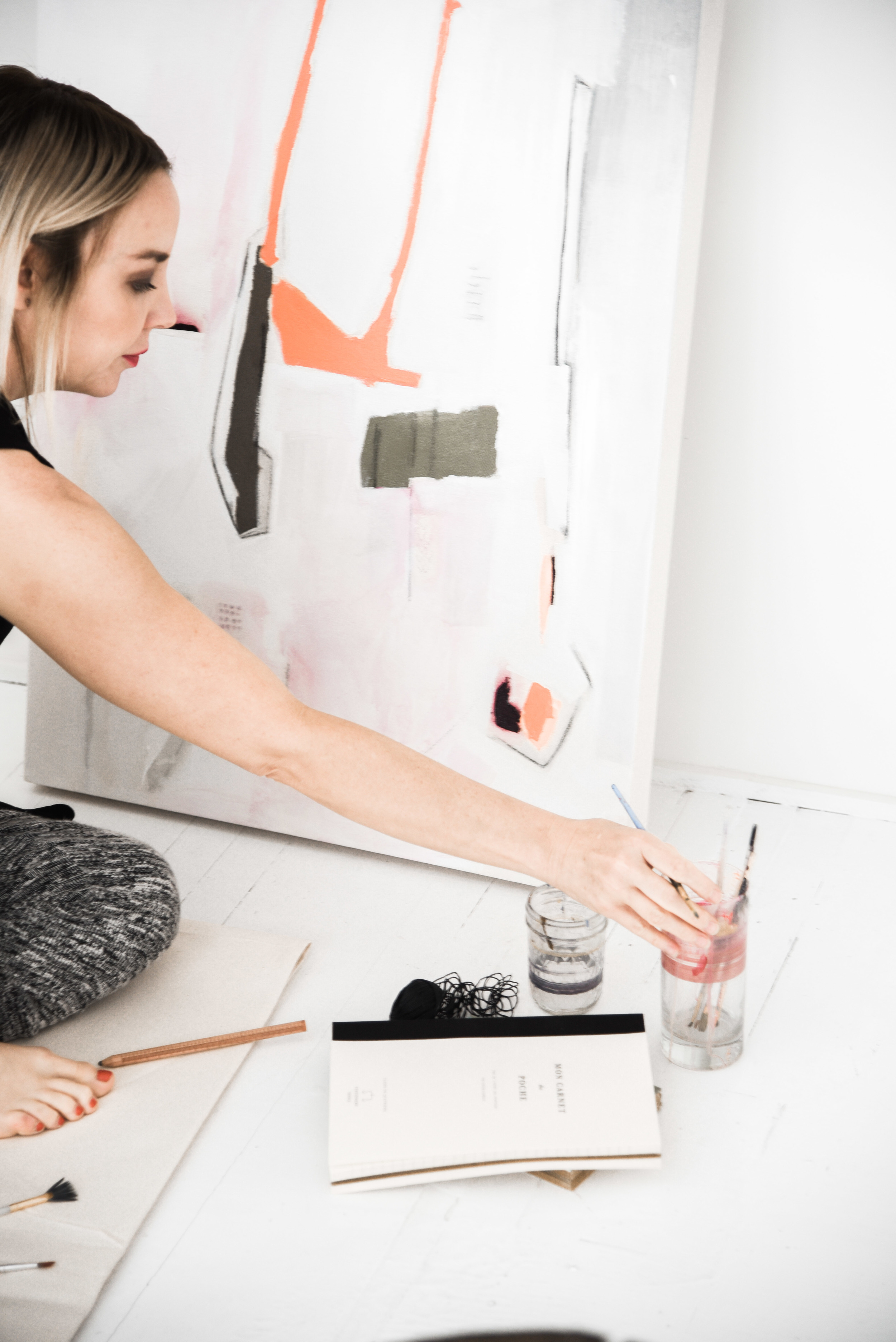
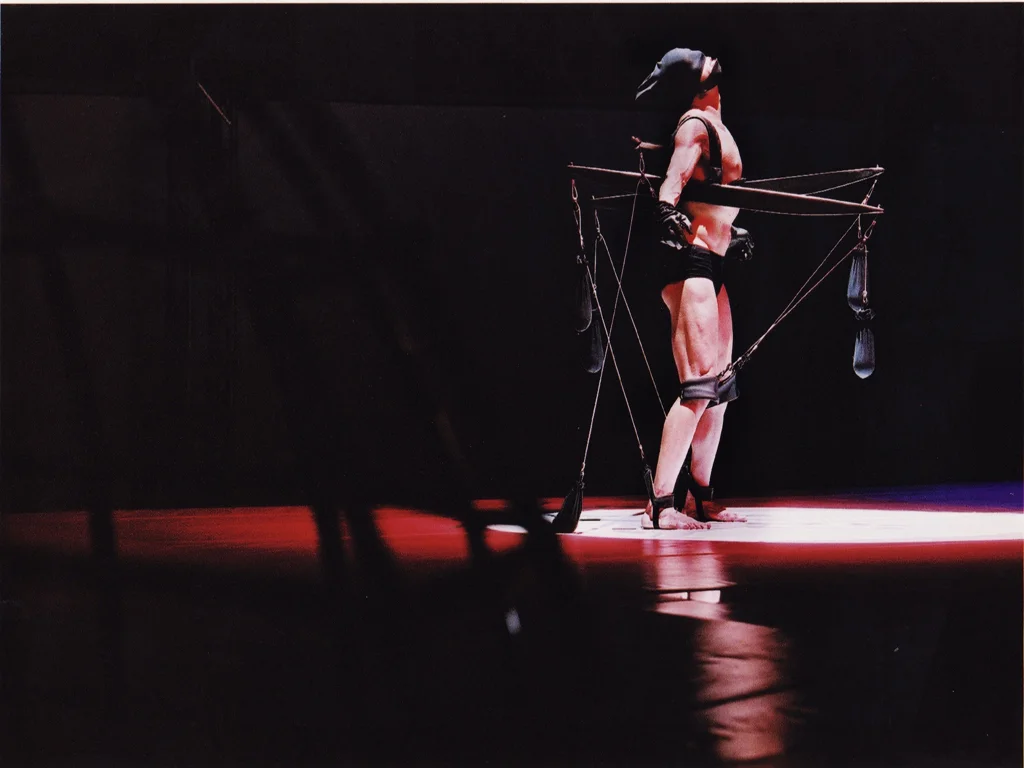
I have found that my design mind and design process works hand in hand with my art process. Creating from a design eye first actually helps me to frame my work and inform it in a way, where it has a strong structure. That said, I also believe that the art process is a completely different influence and has it’s own process and voice. I try to link these two worlds together. Sometimes it isn’t successful. For me, it all comes down to good theater that provokes and hopefully leaves us with an impression and moves people to tears.
I get the impression that music is important to you - can you talk about why? Who are two of your favorite composers/musicians?
I always begin with music and sound scores to all art and theater productions. It seems that a score or piece of music can inform the whole structure and core of a work. I find that soundscapes are my greatest influence and I look to composers, who create strong environments with sound. I am currently Influenced by Hans Peter Kuhn and Jonathan Belper. I am influenced by all classical music as well as pop. The tension and juxtaposition can be powerful.
What fashion designer do you look to for inspiration? What architect? What product designer? What artist? And why?
Fashion designers: Rick Owens, Sruli Recht, Craig Green and of course Alexander McQueen. Architect Inspirations: Rem Koolhaus, Diller Scofidio + Renfro and anything Brutalist. Product designers : Rick Owens Couture design in Furniture and Faye Toogood/Toogood design. Artists: Cy Twombly (his paintings make me cry) Neo Rauch (His paintings make me want to create theater around them), Anselm Kiefer (His work and scale inspire me to think big), Banks Violette (His work provokes and his materiality speaks to me).
I saw an interview recently, where you talked about the "Darker Edges" being interesting to you - what do you mean by "Darker Edges"? And why do you think it is important to embrace those sides of yourself?
I find that most of my artwork and process is informed by a dark edge. The dark exploration combined with emotional content can shake down and provoke us to dig deeper. It is our jobs as artists and theater makers to make people see things and feel things that an edge from a darker reference can move us and transform us to do. It is important to feel uncomfortable and restless in these visions. Within all darkness lies a thread of light and lightness.
If you weren't living in SLC, what would be your city of choice and why? What city currently do you think generates the most interesting art and design?
I am fortunate to have a dual life that allows me to be in NYC and home based in SLC. Of course, NYC offers me a huge luxury to see and experience the world of art and theater and allows me to do my constant homework. I seek inspiration all the time. I am blown away with the realization that so much good artwork and design is coming from great cities all over the world. I don’t see that one city or part of the world is any more inspired. We have the ability to connect to the world and experience all these good influences from our screens and that is very exciting.
I know that 'alone time" is important to you, what is it that you generate from being alone and do you feel that it is an important component in your creative process?
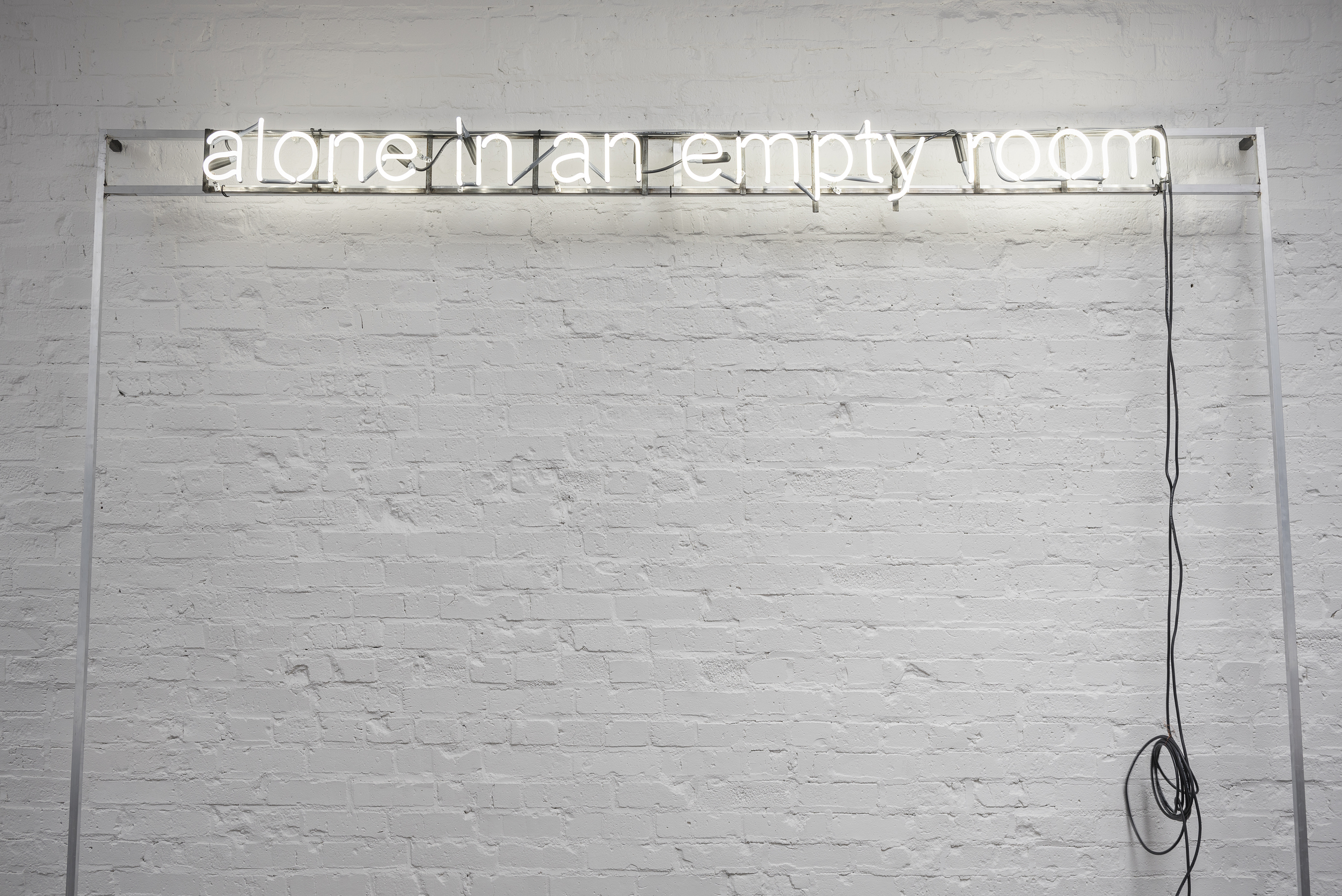
I find that my art process and internal process needs to find refuge in being alone. I admit that I feel more sensitive as I grow older and with that sensitivity is a need to protect myself and my process. I am less available and more economical about who and what I give my energy to these days. I am most true to myself and my process when allowed the luxury of time and space to create and to gather myself. I find that my work has clarity and meaning through process and time alone.